If you want Asheville energy without being right in the middle of downtown, living near the River Arts District can feel like a sweet spot. You get daily access to studios, coffee shops, riverfront paths, and local gathering places, all while staying close to surrounding residential streets and nearby neighborhoods. If you are thinking about buying near the RAD, it helps to understand both the creative appeal and the practical tradeoffs. Let’s dive in.
River Arts District lifestyle
Living near Asheville’s River Arts District often means your routine feels a little more colorful. This is not just a place you visit once in a while for a special event. It is a working arts corridor where more than 500 artists are back in studios, galleries, and collectives as the area continues evolving after Hurricane Helene.
The district sits in Asheville’s historic industrial riverfront, where older buildings have been transformed into an arts hub. City planning materials describe it as a business corridor with working artist studios, river outfitters, retail, bars, restaurants, and music venues. Established residential neighborhoods surround the district, and in-district residential development is still emerging.
That mix gives the area an urban, local, and active feel. You are also just minutes from downtown Asheville, Biltmore Village, and the Blue Ridge Parkway, which adds to the appeal for buyers who want a connected Asheville lifestyle.
Arts and culture shape daily life
One of the biggest reasons people are drawn to the area is how easy it is to make art and culture part of your regular week. Instead of planning one big outing, you can stop into a studio, take a class, or browse galleries on an ordinary afternoon. The district regularly promotes workshops in pottery, printmaking, mixed media, and more.
Monthly events help keep that creative rhythm going. The Second Saturday Art Stroll brings artist demonstrations, refreshments, meet-and-greets, and a free trolley. If you enjoy a neighborhood with a steady flow of activity, that kind of recurring event can make the area feel especially lively.
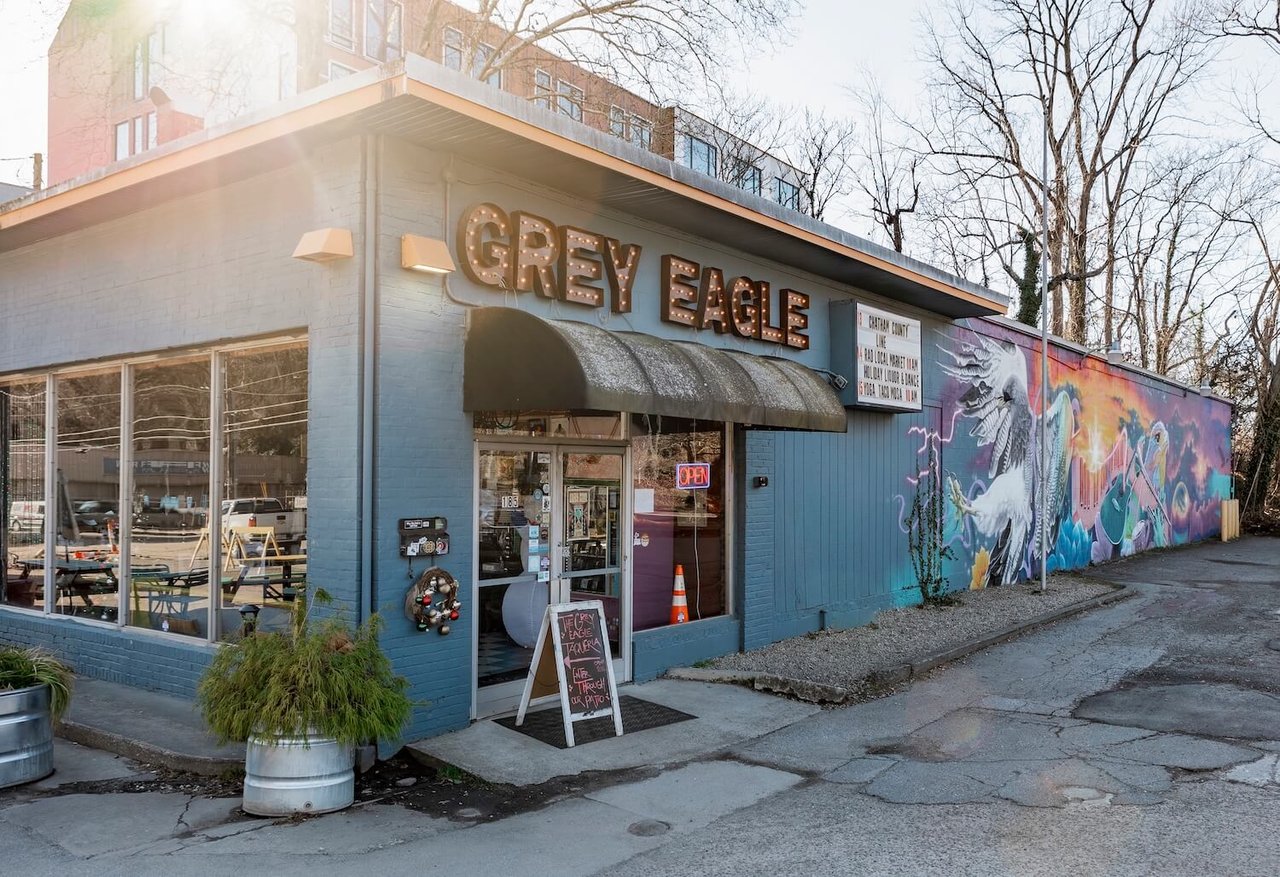
You also have access to longtime local spots that blend creativity and community. Wedge Studios combines working studios with a brewery and tasting room, Cotton Mill Studios mixes studios and galleries with food, Ultra Coffeebar sits in the heart of the district, and The Grey Eagle remains a well-known live music venue on Clingman Avenue.
Food, coffee, and casual hangouts
Living near the RAD means you are close to plenty of casual places to grab coffee, meet friends, or wind down after work. The district’s current lineup includes coffee shops, breweries, and neighborhood hangouts like PennyCup Coffee, Ultra Coffeebar, WEDGE Brewing, New Belgium Brewing, Hi-Wire Brewing, and The Grind.
That kind of access can shape your day in small but meaningful ways. You might walk out for coffee in the morning, stop by a gallery in the afternoon, and meet friends for a drink or music later on. For many buyers, that everyday convenience is a big part of the draw.
At the same time, a more active social scene can mean more foot traffic and event traffic. If you want a quieter setting, it is worth paying attention to how close a home sits to the busiest parts of the district.
Outdoor access near the river
The River Arts District is not only about buildings and businesses. It also offers strong day-to-day access to Asheville’s riverfront walking and biking network. For many buyers, that outdoor connection is one of the area’s best lifestyle perks.
The Wilma Dykeman Greenway runs through the district, with trailheads at Amboy Road and Lyman Street and at Hill Street and Riverside Drive. The city says this segment is 2.2 miles long, and about a mile north from Amboy Road includes a two-way cycle track.
The broader riverfront network adds to that appeal. Asheville manages roughly 9 miles of greenway, and the French Broad Greenway on the west bank runs from Hominy Park toward Craven Street. That means the RAD sits within a larger system that connects walking and biking routes to nearby areas.
Getting around the area
The district has become easier to move through on foot or by bike. Through the River Arts District Transportation Improvement Project, the city added wide sidewalks, bike lanes, the city’s first protected bike lane on Lyman Street, nearly 200 public parking spaces, and about 9 acres of new parkland.
For people who want more than one way to get around, transit is also part of the picture. Asheville’s ART bus system provides citywide service from the downtown ART Station at 49 Coxe Avenue. Current service runs about 5:30 a.m. to 10:30 p.m. Monday through Saturday and 8:00 a.m. to 6:00 p.m. on Sundays and holidays, with a current cash fare of $1.00.
These transportation improvements support a more walkable, bike-friendly lifestyle. Asheville transportation materials also note that the city is a Silver-level Walk Friendly Community and a Bronze-level Bicycle Friendly Community.
Housing near the RAD
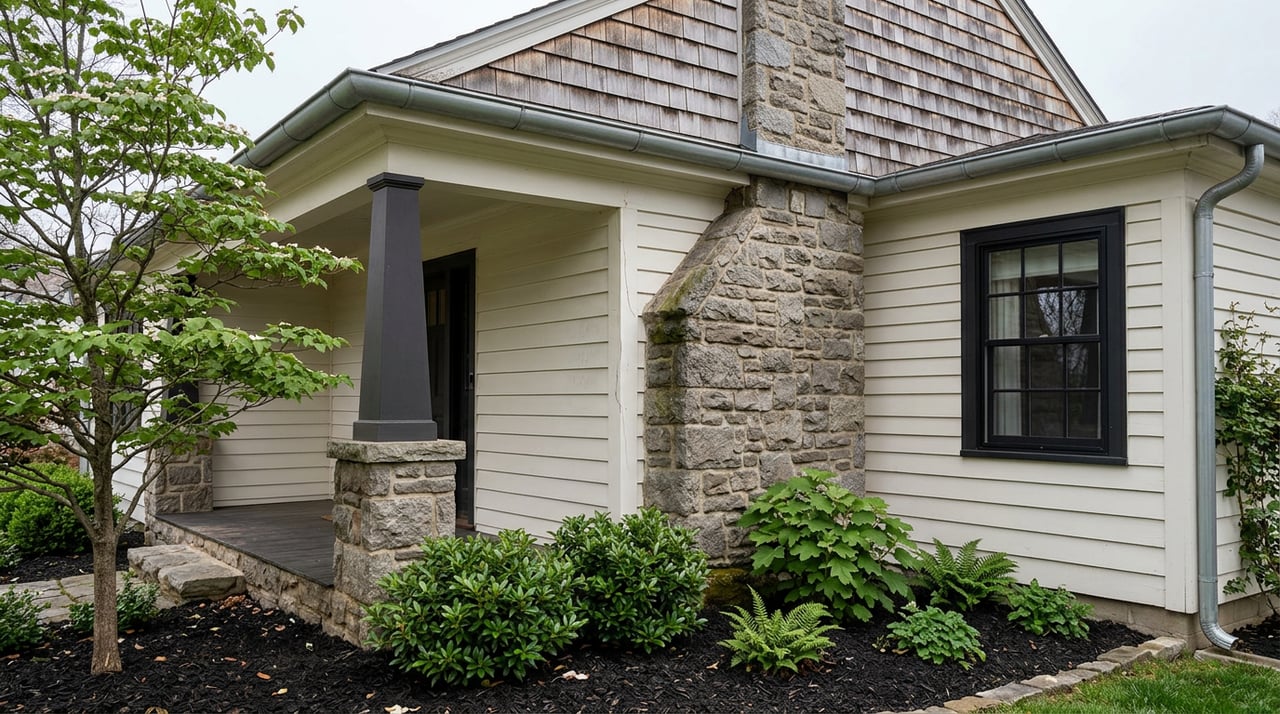
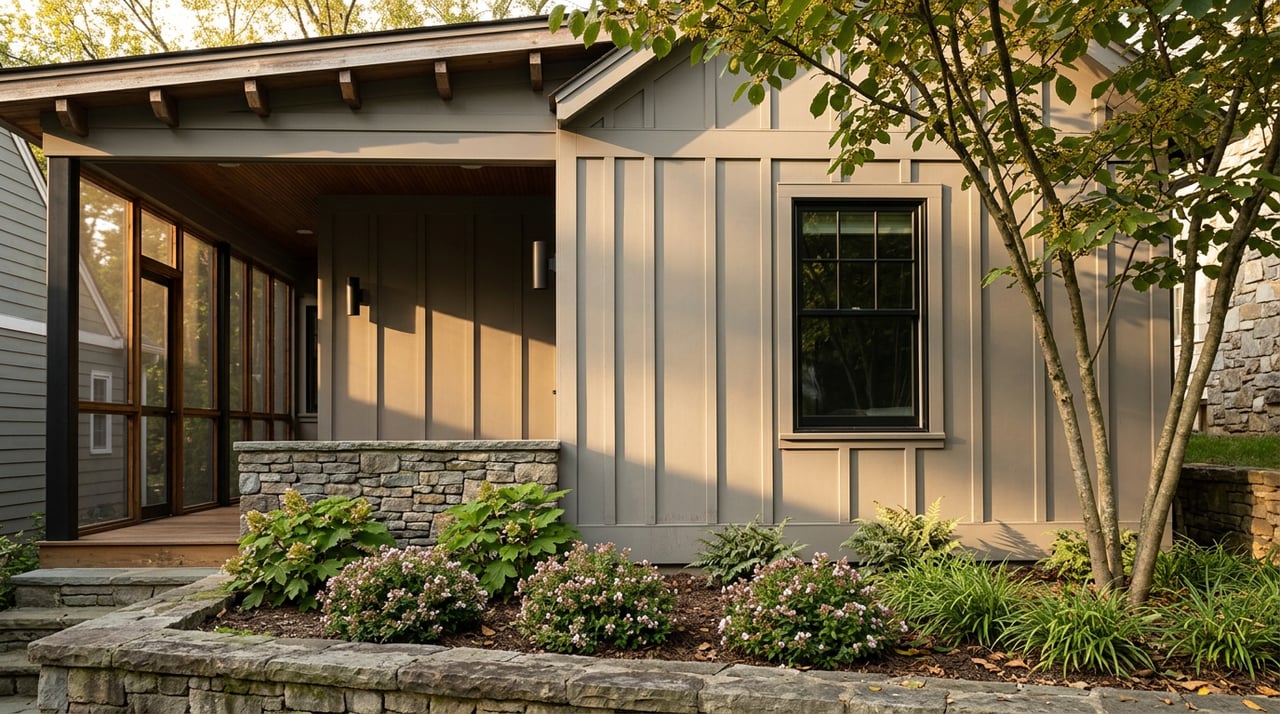
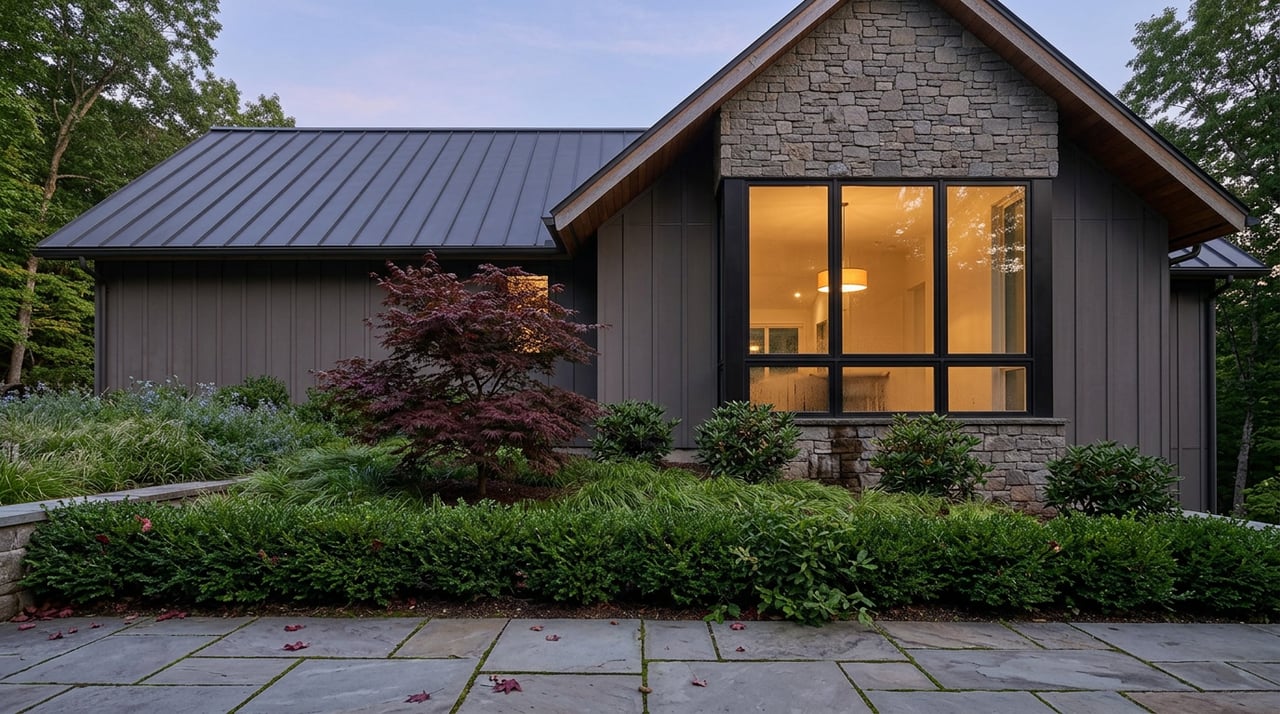
Housing around the River Arts District is best described as mixed and evolving. It is not a one-style neighborhood, and that is part of what makes the area interesting. City planning materials say established residential neighborhoods surround the district while in-district residential development continues to emerge.
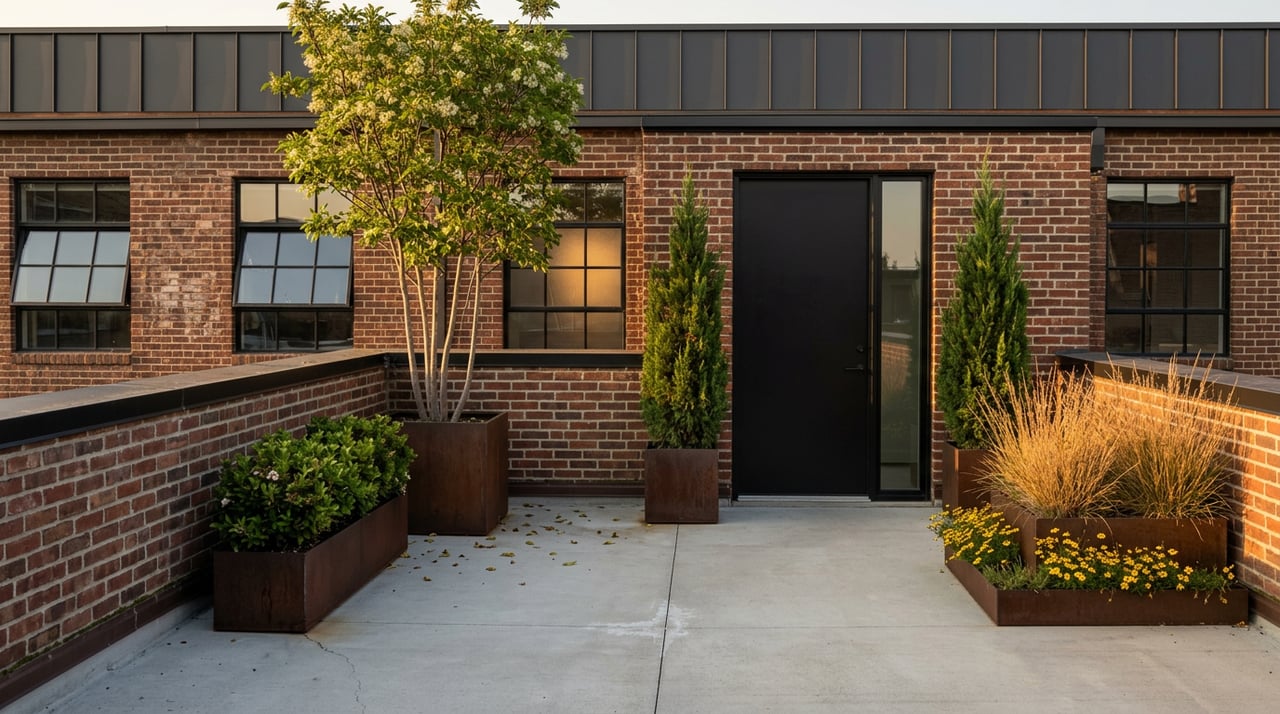
You may see a blend of older industrial buildings, loft-like or live-work style spaces, newer attached housing, and nearby single-family streets. City discussions around redevelopment have included multifamily units, townhomes, duplexes, and other attached housing. For buyers, that often means more variety than you might find in a more uniform neighborhood.
If you are searching here, it helps to think less in terms of one fixed neighborhood identity and more in terms of location, block-by-block feel, and how close you want to be to the district’s busiest areas. Your day-to-day experience can shift depending on whether you are directly in the corridor or just outside it.
What buyers should weigh carefully
The River Arts District has a lot going for it, but it is important to go in with a clear picture. The area is still recovering and rebuilding after Hurricane Helene. The district organization says the area is open and evolving, while the city says the French Broad riverfront parks system suffered at least $25 million in storm-related damage and rebuilding work along the river corridor will take years.
The city also notes that 8 River Arts Place was significantly damaged in 2024 and is being rebuilt. That ongoing recovery matters if you are considering a home close to the river or want a fully settled environment right away. Some buyers will see that as part of an area in transition, while others may prefer a neighborhood with fewer moving pieces.
Flood and resilience questions should also be part of your search. For parcel-specific flood questions, the city’s flood information resources are the right place to start. The city also notes a 10% flood insurance premium discount for special flood hazard area property owners within city limits because of flood mitigation work.
Parking, construction, and pace
Another practical factor is daily convenience. The district gained more parking and better pedestrian and bike infrastructure, which improved access in many ways. Still, the city’s recovery materials make clear that access can remain uneven as public spaces continue to be rebuilt.
For you, that may show up as construction activity, changing traffic patterns, or event-related parking pressure. None of that makes the area less appealing, but it does mean you should consider your comfort level with an active, still-evolving part of town.
If you love energy, local business activity, and a neighborhood that feels creative and in motion, that may be a plus. If you want a quieter and more predictable setting, you may want to compare homes near the district with homes a little farther out in surrounding areas.
Who tends to enjoy living here
The River Arts District often appeals to buyers who want a walkable, locally owned, urban-edge lifestyle. It can be a great fit if you like being close to art, music, coffee shops, breweries, and outdoor recreation without giving up access to the rest of Asheville.
It can also work well for buyers who value character over sameness. Because the area is mixed and changing, the search often becomes about finding the right pocket, property type, and daily rhythm for your lifestyle.
That said, the best fit usually comes down to expectations. If you understand the district’s creative energy, riverfront setting, and ongoing recovery story, you can make a more confident decision about whether living near the RAD matches what you want.
If you are thinking about buying or selling near Asheville’s River Arts District, working with a local team who understands neighborhood-by-neighborhood differences can make the process much easier. Elevate Asheville Realty Group offers personalized guidance for buyers, sellers, and relocations across the Asheville area.
FAQs
What is it like to live near Asheville’s River Arts District?
- Living near the River Arts District often feels creative, active, and connected, with easy access to studios, galleries, coffee shops, music venues, breweries, and riverfront greenways.
Is the River Arts District in Asheville walkable?
- The area supports a walkable lifestyle in many spots, with wide sidewalks, greenway access, bike lanes, a protected bike lane on Lyman Street, and nearby local businesses and gathering places.
What types of homes are near Asheville’s River Arts District?
- Housing near the RAD is mixed and evolving, with nearby established residential neighborhoods and emerging in-district development that may include loft-like spaces, townhomes, duplexes, multifamily housing, and single-family homes in surrounding areas.
Are there flood concerns near Asheville’s River Arts District?
- Yes, flood and resilience questions are important in this river-adjacent area, especially after Hurricane Helene, so buyers should review parcel-specific flood information through City of Asheville resources.
Is the River Arts District still rebuilding after Hurricane Helene?
- Yes, the district is open and evolving, but the city says riverfront park rebuilding will take years and some properties and public spaces have been significantly affected and are still being restored.
Who should consider living near the River Arts District in Asheville?
- Buyers who want a locally focused, urban-edge lifestyle with arts, dining, music, and outdoor access nearby may enjoy the area most, especially if they are comfortable with an active setting and ongoing recovery work.