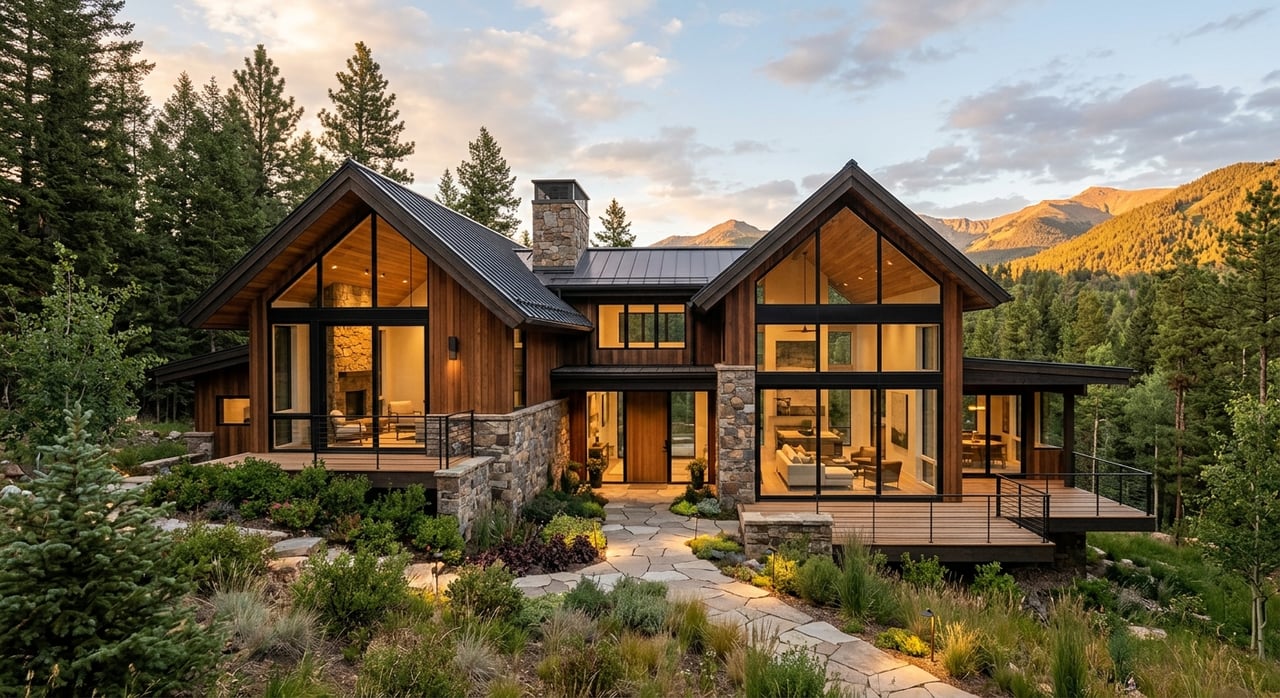
If you are thinking about buying in one of Asheville’s private communities, it is easy to focus on the gate, the views, or the amenities first. But the real story is usually in the documents, the roads, the utilities, and the long-term costs. When you know what to look for, you can buy with more confidence and avoid surprises later. Let’s dive in.
Private communities are not all the same
In Asheville and Buncombe County, a private community is not one single legal category. A neighborhood with a gate might be a planned community, a condominium, or a smaller deed-restricted development, and each setup can come with different rules and obligations.
That matters because the gate itself does not tell you who maintains the roads, what the dues cover, or how the association can enforce its rules. In North Carolina, the recorded declaration, bylaws, and articles of incorporation are the real rulebook. If you are comparing communities, those documents are more important than the entrance sign.
Why the legal setup matters
Planned communities in North Carolina are generally governed by Chapter 47F, while condominiums are governed by Chapter 47C. Some smaller planned communities with 20 or fewer lots may be exempt from parts of Chapter 47F unless their declaration opts in.
For you as a buyer, the takeaway is simple: do not assume every gated neighborhood works the same way. One community may include road maintenance and common-area care in the dues, while another may place more responsibility on individual owners.
Understand the lifestyle trade-offs
Many Asheville-area private communities offer a more curated setting, shared amenities, or a more wooded feel. In some cases, that can mean smaller private yards or tighter design controls in exchange for open space, views, or shared features.
Buncombe County’s development rules are designed to preserve ridge tops, woodlands, open space, floodplains, and landslide-prone areas. The county also has hillside-development categories for steeper parcels. That can help create a protected mountain setting, but it can also affect what can be changed on a lot or within the neighborhood over time.
Ask how flexible the property really is
If you are hoping to add outdoor features, change grading, or make major exterior updates later, ask early what the community documents and county rules allow. A property that feels private and natural today may come with limits that shape future improvements.
That does not make private communities a bad fit. It just means your lifestyle goals should match the rules, the setting, and the level of shared oversight.
Amenities are only as strong as the budget
Amenities can add real value, especially in condo and master-association settings. But their long-term value depends on the association’s budget, reserve planning, and fee structure.
Under North Carolina law, condo associations can adopt budgets for revenues, expenses, and reserves, collect assessments, and regulate common elements. For new condos, the public offering statement must disclose projected budgets, reserve amounts, projected monthly assessments, and current or future fees tied to common elements or related facilities.
Look beyond the monthly dues
A low monthly fee can look appealing at first glance. But dues alone do not always show the full cost of ownership.
If a community has older infrastructure, expensive shared systems, or limited reserves, future costs may look different than today’s fee sheet suggests. That is why budget and reserve information matter so much when you are comparing one private community to another.
New construction condos require extra review
If the property is a new condominium, North Carolina gives you an important layer of disclosure. The public offering statement must be delivered before the purchase contract is signed.
That statement must include details such as projected budgets, reserve amounts, known title issues, warranties, insurance coverage, and fees tied to common elements or related facilities. Buyers of new condos also have a seven-calendar-day right to cancel after signing and before conveyance.
What to review in a new condo purchase
Before moving forward, make sure you understand:
- The projected monthly assessments
- The reserve amounts
- Any additional amenity or facility fees
- The insurance coverage described
- Any disclosed title issues or warranties
This review can help you understand not just the purchase price, but the structure of ownership you are stepping into.
Disclosures can reveal the real cost picture
North Carolina requires sellers of residential property to provide the Residential Property Disclosure Statement and the owners’ association disclosure no later than the time you make an offer. If those disclosures are not delivered on time, you may have the right to cancel the contract.
The owners’ association disclosure can be especially useful in a private community. It asks about the association contact, regular dues, services paid by dues, approved special assessments, pending lawsuits or judgments, and transfer fees.
What to request before making an offer
At a minimum, ask for:
- The seller’s owners’ association disclosure
- The declaration
- The bylaws
- The rules and regulations
- Current budget or reserve information
- A statement of unpaid assessments
- Any documents that govern roads, utilities, floodplain limits, or steep-slope constraints
These items help you compare the true carrying cost of ownership, not just the listing price.
Roads matter more than many buyers expect
In Buncombe County, road maintenance is a major issue in private communities because the county does not maintain roads. Roads are maintained by a municipality, the State of North Carolina, or privately.
County subdivision rules require Fire Marshal approval for special subdivisions that create a private road or a private driveway serving more than two lots. Buncombe County also requires private-road maintenance agreements to be recorded, and the county is not responsible for maintaining those roads.
Questions to ask about road access
Before you buy, confirm:
- Who owns the road
- Who pays for repairs and ongoing maintenance
- Whether the road maintenance agreement is recorded
- Whether emergency vehicles can access the property
These details can affect both your day-to-day ownership experience and future resale.
Utilities and infrastructure deserve a close look
Utility responsibility can be just as important as road access. Buncombe County subdivision rules require documentation that water and sewer lines are installed and turned over to the appropriate agency, or certified as built to the proper standards.
Some developments also involve shared wells or septic systems. If that applies to the property you are considering, make sure you understand who maintains the system, how costs are shared, and what documents govern its use.
Do not rely on map screenshots alone
Boundary and access questions can get complicated in private communities, especially where lots have irregular shapes or shared access. Buncombe Land Records states that its GIS data is not survey-grade and should not be used to locate lot lines or resolve disputes.
The county also notes that it does not map access or utility easements. A current survey and recorded plat review are much more reliable when you need clarity about boundaries, access, or easements.
Slope, floodplain, and location rules can shape ownership
Buncombe County requires extra review for steep-slope, high-elevation, and floodplain development. Its flood ordinance regulates development in the 100-year floodplain, including grading, filling, and other man-made changes.
In a private community, these conditions can shape what you can build, how you maintain the property, and what future improvements may require review. If the lot has steep terrain, shared drainage concerns, or floodplain constraints, ask for clear documentation before you move ahead.
Taxes should be part of your comparison
When you compare private communities in Asheville and Buncombe County, remember to include property taxes in the full cost picture. Buncombe County’s consolidated bill can include county, fire-district, school, and municipal taxes depending on the property’s location.
The county also reappraises real property on a four-year cycle. That means your assessed value and tax bill can change over time even if association dues stay flat.
A smart buying strategy for Asheville private communities
Private communities can offer a great fit if you want a certain setting, shared amenities, or a more defined ownership structure. The key is to match the community’s rules, infrastructure, and costs with the way you actually want to live.
As you narrow your options, focus on the details that are easy to miss at a showing: recorded documents, reserve health, road agreements, utility responsibility, and site constraints. In Asheville’s mountain market, those factors often matter just as much as the home itself.
If you want help comparing private communities in Asheville or reviewing the practical details behind a property, Elevate Asheville Realty Group can help you navigate the process with local, neighborhood-focused guidance.
FAQs
Is every gated neighborhood in Asheville an HOA?
- No. A gate is just a physical feature. The recorded declaration and the legal category of the community determine the actual rules, structure, and owner obligations.
What documents should buyers request for an Asheville private community?
- Ask for the owners’ association disclosure, declaration, bylaws, rules and regulations, current budget or reserve information, an unpaid-assessments statement, and any documents covering roads, utilities, floodplain limits, or steep-slope constraints.
Why can Asheville private communities cost more than the listing price suggests?
- The true cost may include monthly dues, special assessments, reserve needs, road maintenance, shared utility costs, transfer fees, or amenity-related expenses.
What should buyers know about private roads in Buncombe County?
- Buncombe County does not maintain roads. You should confirm who owns the road, who maintains it, whether a maintenance agreement is recorded, and whether emergency vehicles can access the property.
What should buyers know about surveys in Asheville private communities?
- Buncombe Land Records says GIS data is not survey-grade and does not map access or utility easements, so a current survey and recorded plat review are more reliable for boundary and access questions.
What should buyers know about new condo purchases in North Carolina?
- For new condos, the public offering statement must be delivered before the contract is signed, and buyers have a seven-calendar-day right to cancel after signing and before conveyance.