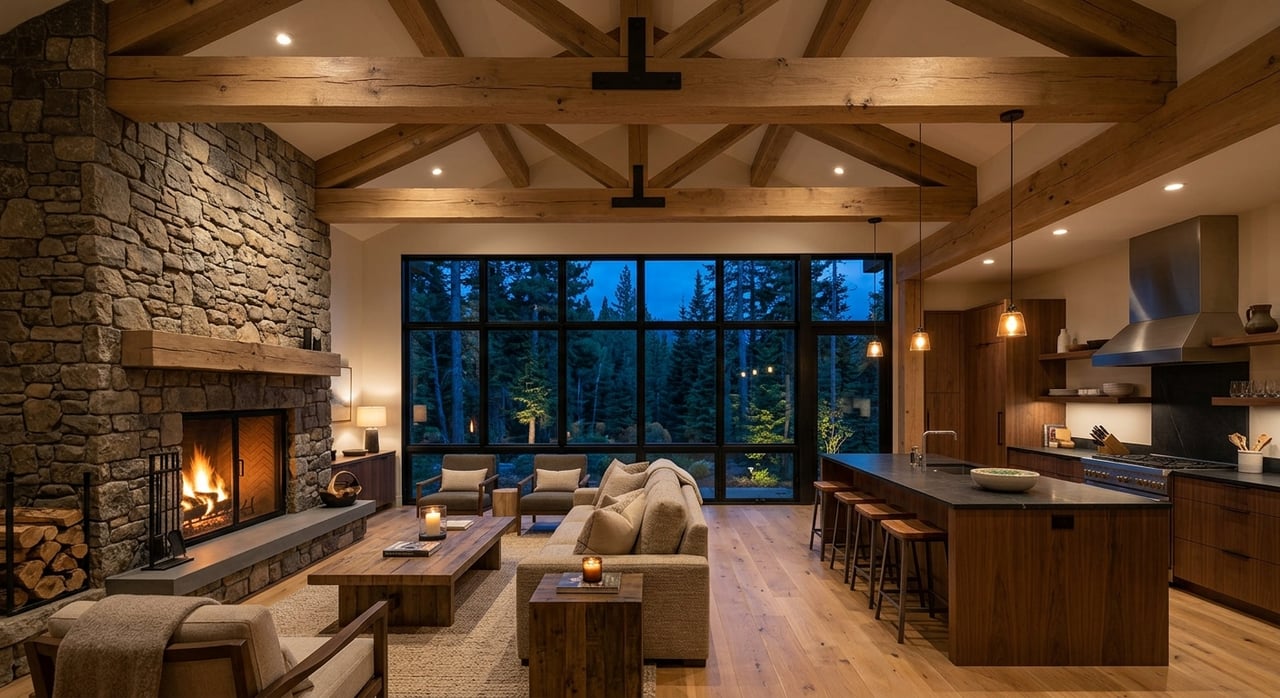
If you are dreaming about a mountain home, Black Mountain probably checks a lot of boxes at first glance. It offers a true small-town setting, quick access to Asheville, and the kind of outdoor lifestyle that draws people to Western North Carolina in the first place. The bigger question is whether it fits your pace, budget, and goals. This guide will help you weigh the lifestyle, housing options, costs, and practical tradeoffs so you can decide with confidence. Let’s dive in.
What Black Mountain Feels Like
Black Mountain is not just an Asheville side note. Town planning documents describe it as a place with small-town character, rural Blue Ridge beauty, and a strong sense of place. With an estimated population of 8,572 as of July 1, 2024, it feels compact and established rather than sprawling.
You are also not isolated here. The town is about 15 miles east of Asheville and part of the Asheville metro area, which means you can enjoy a mountain-town setting while still staying connected to larger regional amenities. That mix is a big part of Black Mountain’s appeal.
Another defining feature is its walkable downtown core. Town materials highlight locally owned businesses, Town Square Park, and the Black Mountain Library as central civic anchors. If you want a place that feels rooted and easy to navigate, that can matter just as much as square footage.
Why Buyers Consider Black Mountain
For many buyers, Black Mountain stands out because it offers a lifestyle that feels specific. It is not positioned as a generic suburb, and that can be a major plus if you want a home base with character. The setting in the Swannanoa River Valley at roughly 2,400 feet adds to that mountain-town identity.
You may also like the balance between quiet and activity. The town has a robust recreation system for its size, including parks, greenways, athletics, gardens, aquatics, and active-aging programs. That gives you more everyday options than you might expect from a smaller mountain community.
If you are thinking about a part-time home, practical services matter too. Black Mountain offers bus service to Asheville and within the local area, and the police department provides vacation house checks. For second-home owners, those details can make ownership feel more manageable.
Outdoor Access Is a Real Strength
If mountain living means getting outside often, Black Mountain has a strong case. River Walk Park includes a half-mile trail and a fenced dog park, while the downtown area is a short walk to Lake Tomahawk, where you will find a lake loop, playground, tennis courts, and a swimming pool.
The local recreation calendar adds even more ways to plug in. The town offers free hikes, litter sweeps, trail workdays, and even a fly-fishing workshop. That tells you something important about the community: outdoor access here is not just scenic, it is part of daily life.
At the regional level, you are also near two major outdoor anchors. The Blue Ridge Parkway is known for hiking, bicycling, picnicking, and camping, and Pisgah National Forest brings mile-high peaks, waterfalls, and heavily forested slopes into easy reach. If you want a home that supports an active mountain lifestyle, Black Mountain delivers on that front.
What Homes Look Like in Black Mountain
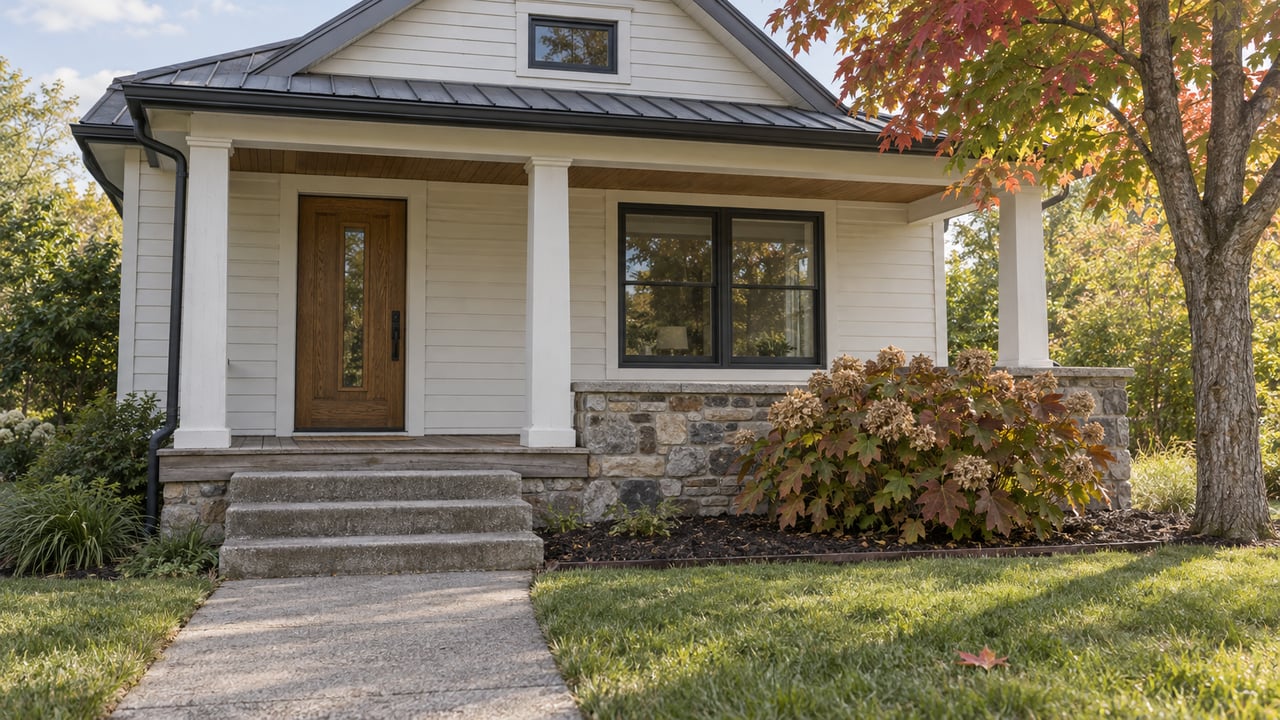
Black Mountain’s housing stock has more personality than many newer markets. Historic neighborhoods play a major role, with documented home styles that include bungalows, Craftsman-influenced homes, Colonial Revival, Minimal Traditional, and Ranch properties.
That variety can be a big draw if you want something with charm or architectural detail. It also means the market is not made up of one predictable product type. You may find a smaller older bungalow near established neighborhoods, or a newer home in development that aims to match the town’s existing character.
Town planning documents note that the downtown area is ringed largely by residential neighborhoods, with the highest-density areas around eight single-family homes per acre. In practical terms, that means Black Mountain tends to feel lower density and more residential than buyers coming from larger metro markets may expect.
Black Mountain Home Prices in Context
Price is one of the biggest reasons buyers compare Black Mountain to Asheville. As of March 31, 2026, Zillow’s Black Mountain home value index was $463,739. Redfin reported a March 2026 median sale price of $412,500, while Zillow’s median list price was $592,667.
Those numbers tell an important story. Recent closed sales can make Black Mountain look more accessible than Asheville, where Redfin reported a March 2026 median sale price of $510,000. At the same time, active listings can still push well into the high-$500,000 range.
So, is Black Mountain more affordable? Sometimes, yes, especially if you are looking at recent sale data. But if you are shopping current inventory, you still need to be ready for pricing that reflects strong demand for mountain lifestyle homes.
Market Pace and What It Means for You
Black Mountain is not described as a very competitive market by Redfin, and homes were taking about 91.5 days to go pending in March 2026. For buyers, that can mean a little more room to evaluate options without the same pressure you might feel in a faster-moving area.
That does not mean every property sits. Homes with strong condition, compelling style, or a standout location can still attract attention. But overall, the pace suggests you may have more time to compare neighborhoods, review property details, and think carefully about fit.
For sellers, this kind of market can reward thoughtful pricing and standout presentation. Buyers often have more ability to compare homes side by side, so details matter.
Is Black Mountain a Good Fit for a Second Home?
Black Mountain can work well for second-home buyers, especially if you want a place that feels active and connected instead of remote. Seasonal tourism patterns are part of the local context, shaped in part by nearby Montreat, Ridgecrest, conference centers, summer camps, and festivals.
That can be a positive if you enjoy a town with recurring energy and events. It also means the area may feel a bit busier at certain times of year. If you want total seclusion, Black Mountain may feel more social and active than other mountain locations.
The practical side is encouraging for part-time owners. Services like local bus routes and vacation house checks add convenience, and the town’s size makes it easier to learn quickly. If your goal is a mountain home that is easy to use and enjoy, Black Mountain deserves a close look.
Ownership Details to Understand
Before you buy, it helps to know a few local rules and costs. Inside town limits, Black Mountain handles permits and inspections under North Carolina state building codes. Its zoning and code-enforcement framework is intended to protect scenic beauty, natural resources, parks, and open space.
If you are drawn to an older or historic property, pay extra attention. The Historic Preservation Commission reviews alterations, demolition, and new construction within the Downtown Historic District. That does not make historic ownership a bad idea, but it does mean updates may involve more review than they would in a standard subdivision.
Property taxes are another key part of the budget. Buncombe County’s FY2026 tax rate is 54.66 cents per $100 of assessed value, and the Town of Black Mountain’s FY2025-26 rate is 32.10 cents per $100. Depending on location, Buncombe County notes that consolidated bills can also include district rates.
Who Black Mountain Usually Suits Best
Black Mountain tends to fit buyers who care more about place than volume. If you want walkability, mountain-town identity, outdoor access, and proximity to Asheville, it checks those boxes well. It can also appeal if you like historic homes or established neighborhoods with a distinct feel.
It may be less ideal if you want a very large pool of housing options or a highly uniform new-construction market. The local housing stock leans heavily toward historic and low-density neighborhoods, which can limit inventory and create more variation from one home to the next.
In short, Black Mountain is often a strong match if you are looking for character, convenience, and a lifestyle that feels rooted in the mountains. The right fit comes down to how much you value those traits compared with inventory depth and newer-home consistency.
Final Thoughts on Black Mountain
If your idea of a mountain home includes a walkable downtown, easy outdoor access, and a setting that feels distinct from a typical suburb, Black Mountain is worth serious consideration. It offers a compact, place-driven lifestyle with metro access to Asheville, a varied housing stock, and a market that can still offer opportunities for thoughtful buyers.
The best way to decide is to compare your goals with the town’s real tradeoffs. Black Mountain offers character, recreation, and convenience, but also a smaller housing pool and added considerations for some older or historic properties. If that balance sounds right for you, the town may be exactly what you have been looking for.
If you want help comparing neighborhoods, evaluating homes, or planning a move in the Asheville area, Elevate Asheville Realty Group is here to guide you with local insight and a people-first approach.
FAQs
Is Black Mountain, NC close to Asheville?
- Yes. Town records state that Black Mountain is about 15 miles east of Asheville and part of the Asheville metro area.
What is the housing market like in Black Mountain, NC?
- Black Mountain’s housing market includes a mix of historic and newer homes. As of March 2026, Redfin reported a median sale price of $412,500, and homes were taking about 91.5 days to go pending.
What types of homes are common in Black Mountain, NC?
- Historic neighborhoods are a major part of the market, with home styles that include bungalows, Craftsman-influenced homes, Colonial Revival, Minimal Traditional, and Ranch properties.
Is Black Mountain, NC a good place for a second home?
- It can be a strong option for second-home buyers who want mountain-town character, outdoor access, and practical services like local bus routes and vacation house checks.
Are there special rules for historic homes in Black Mountain, NC?
- Yes. Within the Downtown Historic District, the Historic Preservation Commission reviews alterations, demolition, and new construction.
What property taxes should buyers expect in Black Mountain, NC?
- Buncombe County’s FY2026 property-tax rate is 54.66 cents per $100 of assessed value, and the Town of Black Mountain’s FY2025-26 rate is 32.10 cents per $100. Some bills may also include district rates depending on location.
What local schools serve Black Mountain, NC?
- Buncombe County Schools serves the area, and school assignment is address-based. Black Mountain Primary and Black Mountain Elementary are the local Black Mountain schools in the Owen District.