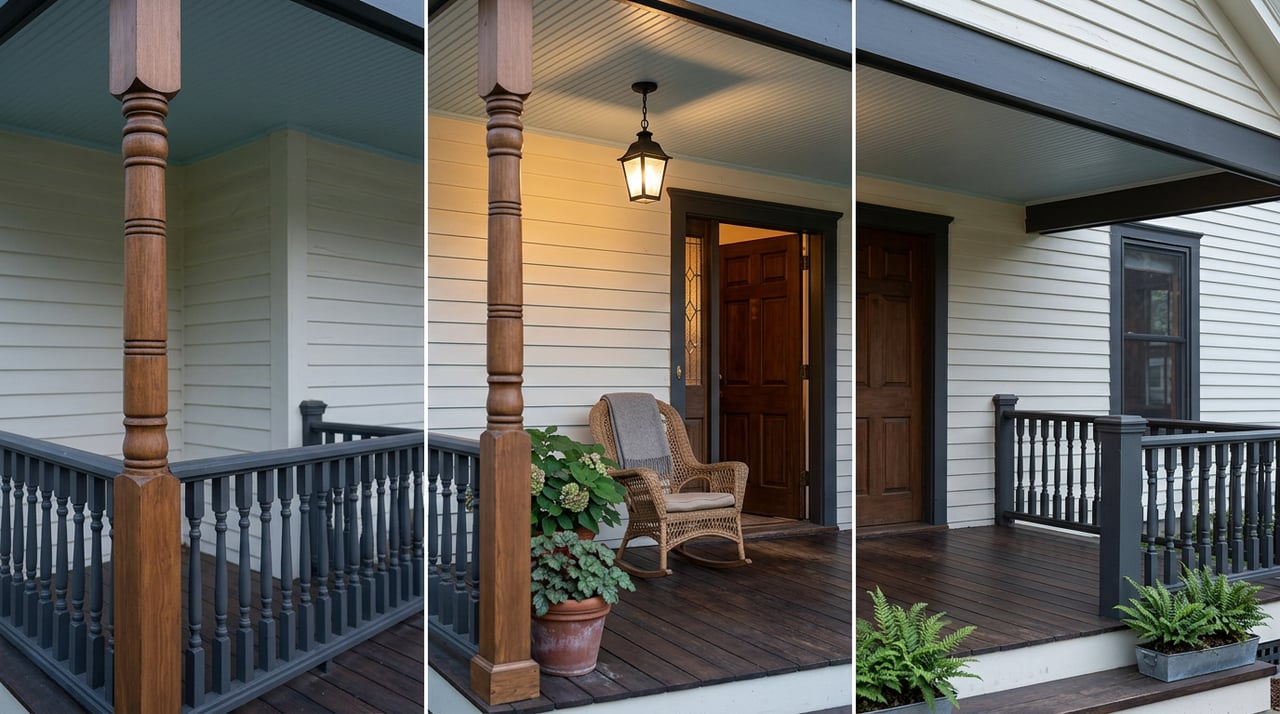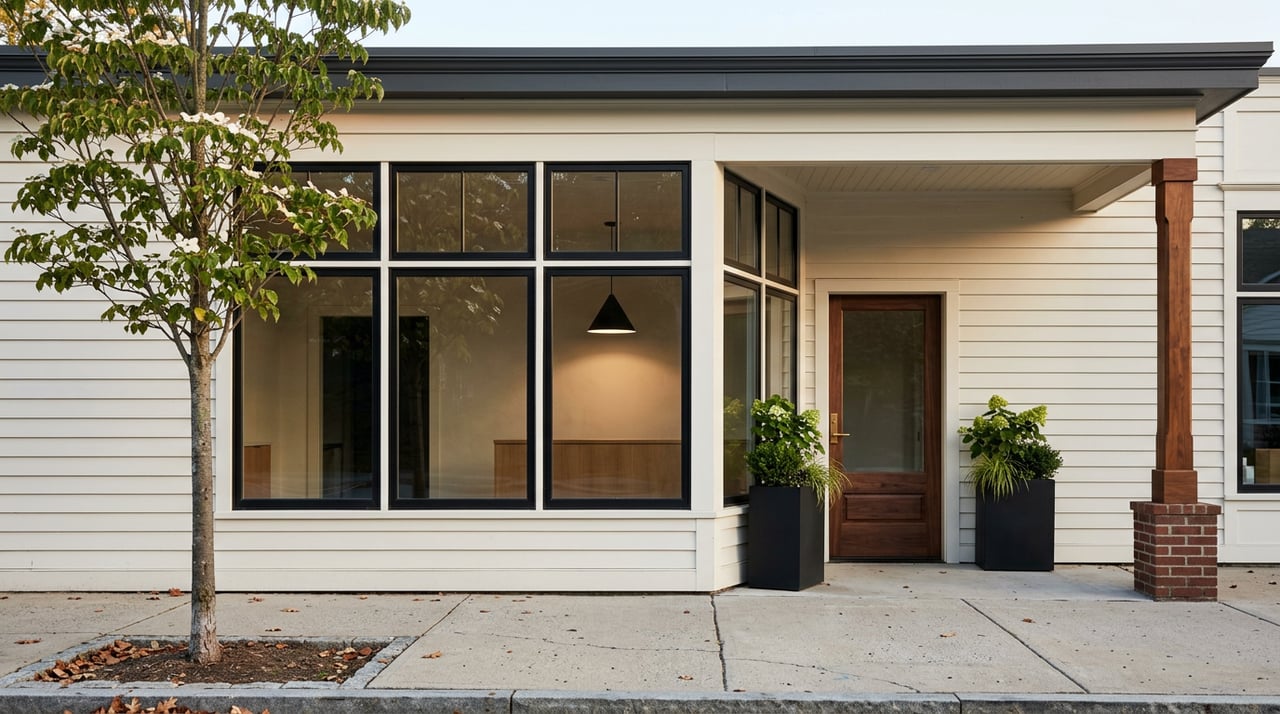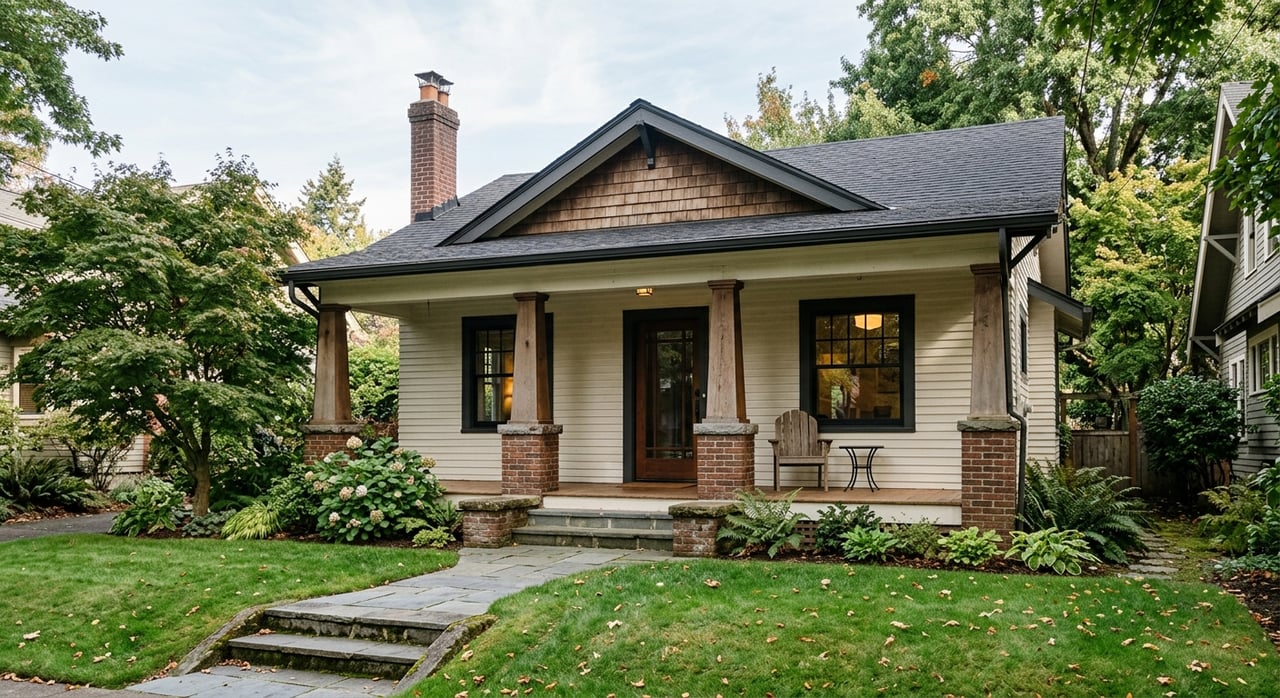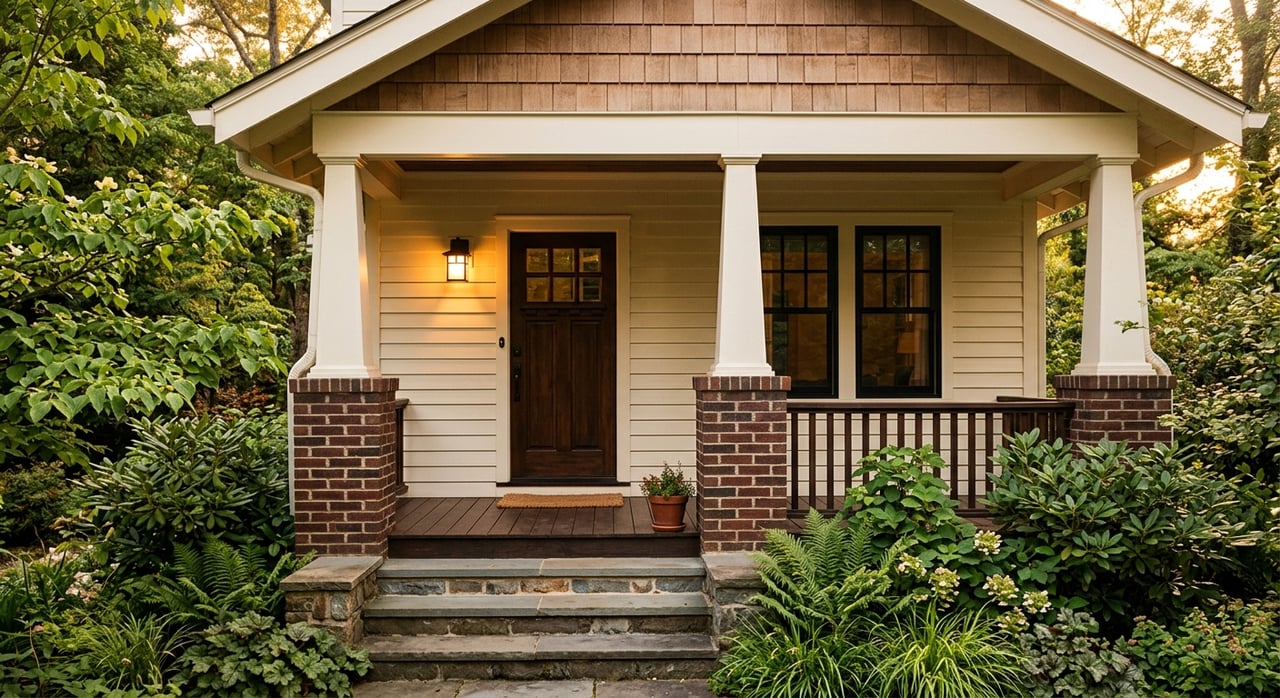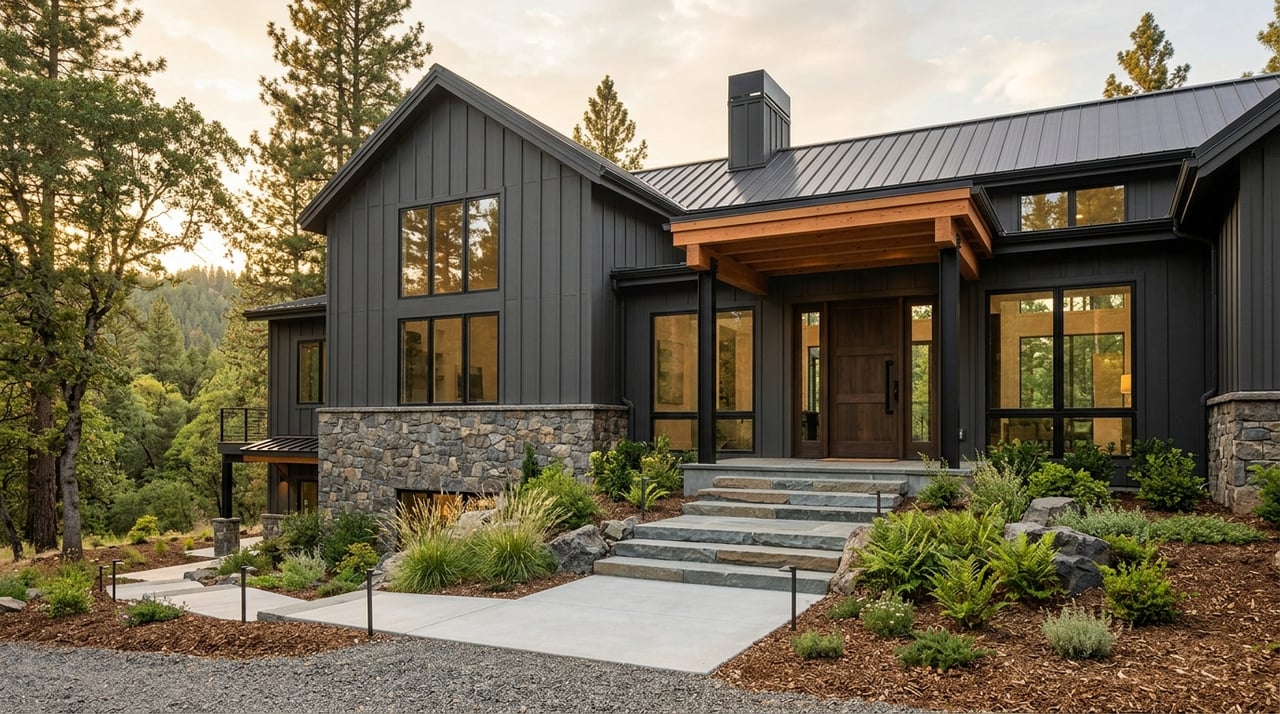
Wondering when to list your East Asheville home and how much prep really matters? In this market, timing and strategy can shape everything from how quickly your home sells to how close you get to your asking price. If you are planning a move in the next year or so, a smart plan can help you stand out in a market with more inventory and longer selling timelines. Let’s dive in.
Why East Asheville draws buyers
East Asheville has a clear appeal that goes beyond square footage. Buyers are often drawn to the area’s mix of residential character, access to outdoor spaces, and convenient connections to the rest of Asheville.
The City of Asheville notes that the Swannanoa River Greenway runs through East Asheville, and Asheville Rides Transit provides broad bus service across the city. The area also benefits from long-established access routes, including Beaucatcher Tunnel and I-240, which help connect the east side to other parts of town.
For sellers, that means your home may appeal to a wide range of buyers looking for convenience and a neighborhood feel. In Asheville and Buncombe County overall, the owner-occupied share, age mix, and household income data point to a broad buyer pool rather than a single narrow audience.
What the market means for sellers
If you are selling a home in East Asheville, it helps to understand the current pace of the market. The year-end 2025 Asheville and Buncombe market analysis showed that the market rebounded after Tropical Storm Helene, but it also showed higher inventory and longer marketing times.
Average days on market rose to 66 in Asheville and 72 in Buncombe County. The same report uses six months of inventory as the benchmark for a balanced market, and most price bands remained below that level at year-end 2025, while the $1.5 million-and-up tier sat well above it.
That creates an important takeaway. Many homes can still attract strong interest, but sellers should expect buyers to compare options more carefully than they might have in a faster market.
Why timing still matters
Even in a market with more inventory, launch timing can give you an edge. The local market analysis notes that inventory is usually lower in winter because many sellers wait for spring, summer, and fall when more buyers are active.
For most East Asheville sellers, that makes spring an attractive window if your timeline allows. If your home has outdoor living space, seasonal views, or easy access to nearby greenways and everyday amenities, warmer weather can help those features show more clearly.
That does not mean you should rush to market before your home is ready. In many cases, the better move is to prepare early so you can launch cleanly when buyer activity starts to pick up.
Start preparing earlier than you think
One of the biggest mistakes sellers make is waiting too long to begin. If you want to list in spring, your prep work often needs to start in winter, or even earlier.
East Asheville has a mix of housing styles and ages, and the broader region’s housing-needs assessment found that the largest share of active for-sale inventory was built between 1970 and 1999. That matters because many buyers in this market are not expecting brand-new construction, but they do care about condition, functionality, and visible upkeep.
Age alone usually is not the issue. What matters more is whether your home feels well maintained, easy to understand, and move-in ready for the price point.
Focus on visible condition first
Before you think about listing photos or showings, take care of the items buyers notice right away. Small issues can raise larger questions in a buyer’s mind.
Prioritize:
- Deferred maintenance
- Fresh paint where needed
- Updated or brighter lighting
- Minor repairs that affect first impressions
- Clean, uncluttered spaces that show layout clearly
When buyers walk in, you want them focused on the home itself, not on a to-do list.
Document updates clearly
If you have improved major systems or completed meaningful updates, gather that information early. In a market where buyers are comparing several homes, a clear record of work completed can make your property easier to evaluate.
This can be especially helpful for older homes or homes with lots of character. Buyers often appreciate charm, but they also want confidence in the home’s condition and maintenance history.
Review flood-related questions early
If your property is near the Swannanoa River or another mapped floodplain, do not leave that conversation until you are under contract. The City of Asheville’s flood information states that floodplain areas can be identified through FEMA flood maps, and flood insurance can be part of the risk discussion.
That does not mean every nearby home faces the same situation. It does mean you should review location-specific floodplain information early so you can understand what applies to your property and prepare for buyer questions in advance.
Being proactive here helps reduce surprises later. It also supports a smoother, more transparent sale process.
Price for today, not yesterday
Pricing is one of the most important parts of your selling strategy in East Asheville. In a market with longer days on market and more choices for buyers, pricing to current conditions matters more than pricing to past peak expectations.
The year-end 2025 local report showed the median sales price at $440,000 in Asheville and $473,750 in Buncombe County. Buncombe County data cited in the research also showed a typical home value of $455,159 as of April 30, 2026, a median sale-to-list ratio of 0.968, and 78.2% of sales closing under list price.
The message is fairly simple. Buyers are active, but many are negotiating, comparing value closely, and resisting overpricing.
Higher price points need extra discipline
This is especially true at the top of the market. The local report showed that the $1.5 million-and-up segment ended 2025 with inventory well above balanced-market levels.
If your home falls in that range, your pricing, presentation, and launch plan need to be especially sharp. Buyers in higher price tiers usually have more options, and they tend to respond quickly to homes that feel overpriced or underprepared.
Marketing should tell the full story
In East Asheville, selling a home often means selling more than bedrooms and bathrooms. You are also telling a story about location, lifestyle, and livability.
A strong listing should make it easy for buyers to understand what stands out. That could be a flexible layout, a well-maintained interior, outdoor living space, easy access to greenways, or the everyday convenience of the location.
For that reason, presentation matters. Elevate Asheville’s seller approach includes an in-house marketing team, targeted digital campaigns, professional photography and videography, social media and email marketing, staging consultations, and certified Pricing Strategy Advisors.
That kind of process-driven marketing can be especially effective in East Asheville, where many homes compete on character, condition, and setting rather than brand-new finishes alone. When your listing looks polished and your story is clear from day one, buyers can connect the dots faster.
A practical East Asheville selling plan
If you are planning to sell in the next 12 to 18 months, a simple plan can go a long way. The strongest strategy from the local data is to prepare early, aim for the spring selling season if possible, and price from current comparable sales instead of older market highs.
Here is a useful checklist to start with:
- Walk through your home as if you were a buyer
- Make a repair and maintenance list
- Gather records for major updates and improvements
- Review any floodplain or insurance questions early
- Plan staging and photography before your target list date
- Study current comparable listings and recent sales
- Build a launch plan that highlights your home’s best features
This approach helps you avoid last-minute decisions. It also gives you more control over timing, pricing, and presentation.
The bottom line on strategy and timing
Selling a home in East Asheville is rarely about one magic move. It is usually the result of several smart decisions working together, including early preparation, realistic pricing, and marketing that reflects how buyers actually shop today.
The good news is that East Asheville continues to offer a compelling mix of access, outdoor connection, and residential appeal. If you match that appeal with a well-timed and well-prepared listing, you put yourself in a much stronger position from the start.
If you are thinking about your next move, Elevate Asheville Realty Group can help you build a pricing, prep, and marketing plan tailored to your home and timeline.
FAQs
When is the best time to sell a home in East Asheville?
- For many sellers, spring is a strong time to launch because buyer activity tends to increase and homes with outdoor features often show especially well.
How long does it take to sell a home in Asheville or Buncombe County?
- At year-end 2025, average days on market were 66 in Asheville and 72 in Buncombe County, so sellers should plan for a more measured pace than in a very fast market.
How should I price my East Asheville home in the current market?
- Price from current comparable sales and current buyer demand, not from past peak pricing, especially because many recent sales in Buncombe County closed below list price.
What should I fix before listing a home in East Asheville?
- Focus first on visible repairs, fresh paint, lighting, cleanliness, and clear documentation of meaningful updates so buyers can evaluate the home with confidence.
Should East Asheville sellers check floodplain information before listing?
- Yes. If your property is near the Swannanoa River or another mapped floodplain, reviewing floodplain details early can help you answer buyer questions and avoid surprises during the transaction.