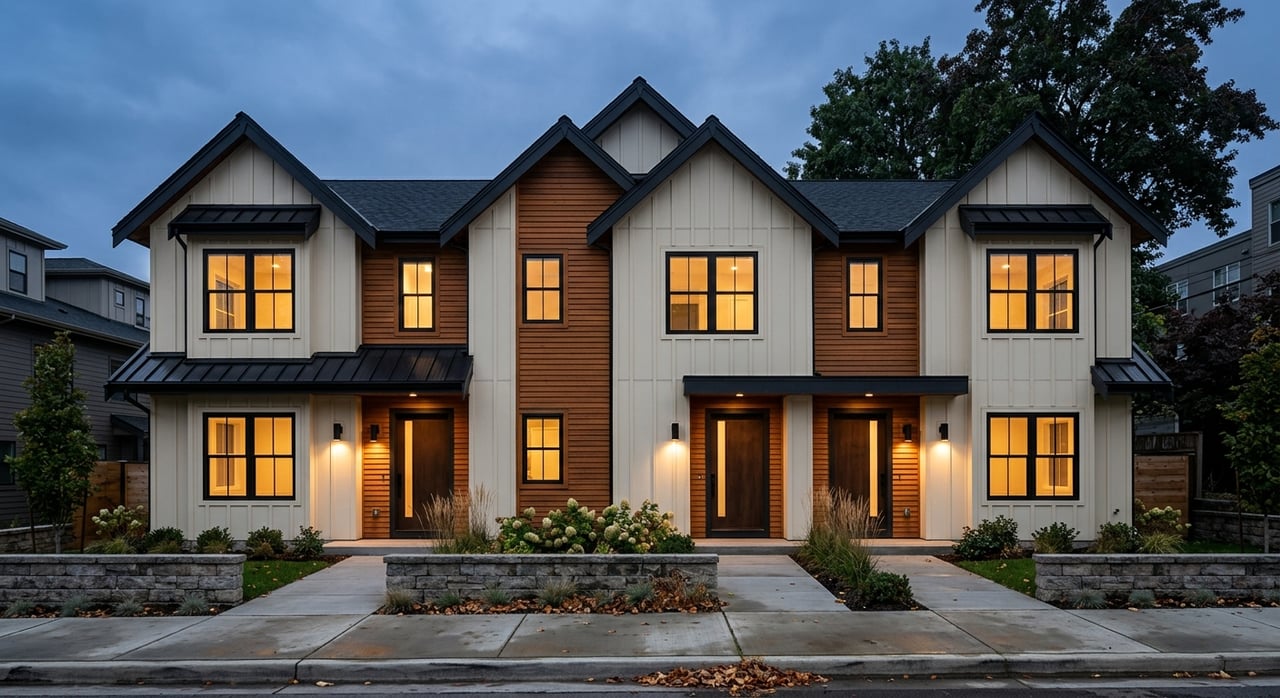
Trying to choose between a townhome and a condo in Asheville? You are not alone. Many buyers start with the look of the property, but the smarter way to decide is to understand what you actually own, what you are responsible for, and what your monthly dues cover. If you want a low-maintenance home that fits your lifestyle and budget, this guide will help you compare the details that matter most. Let’s dive in.
Ownership matters more than appearance
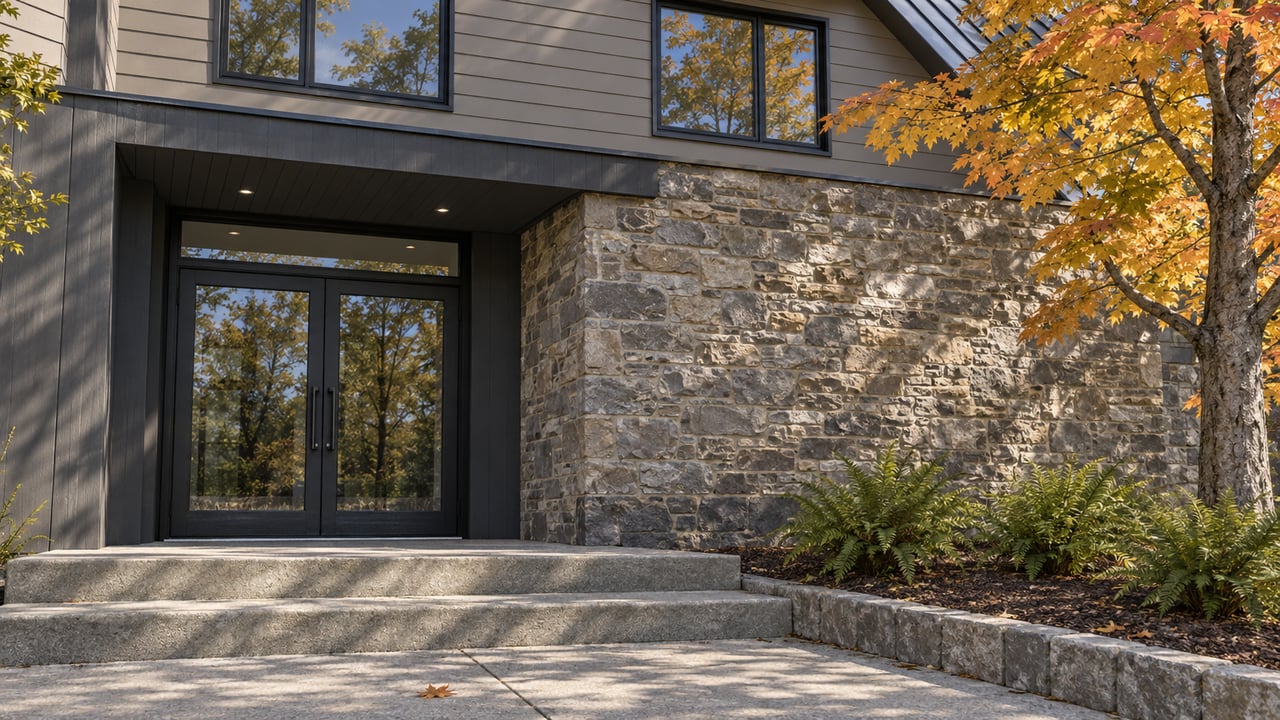
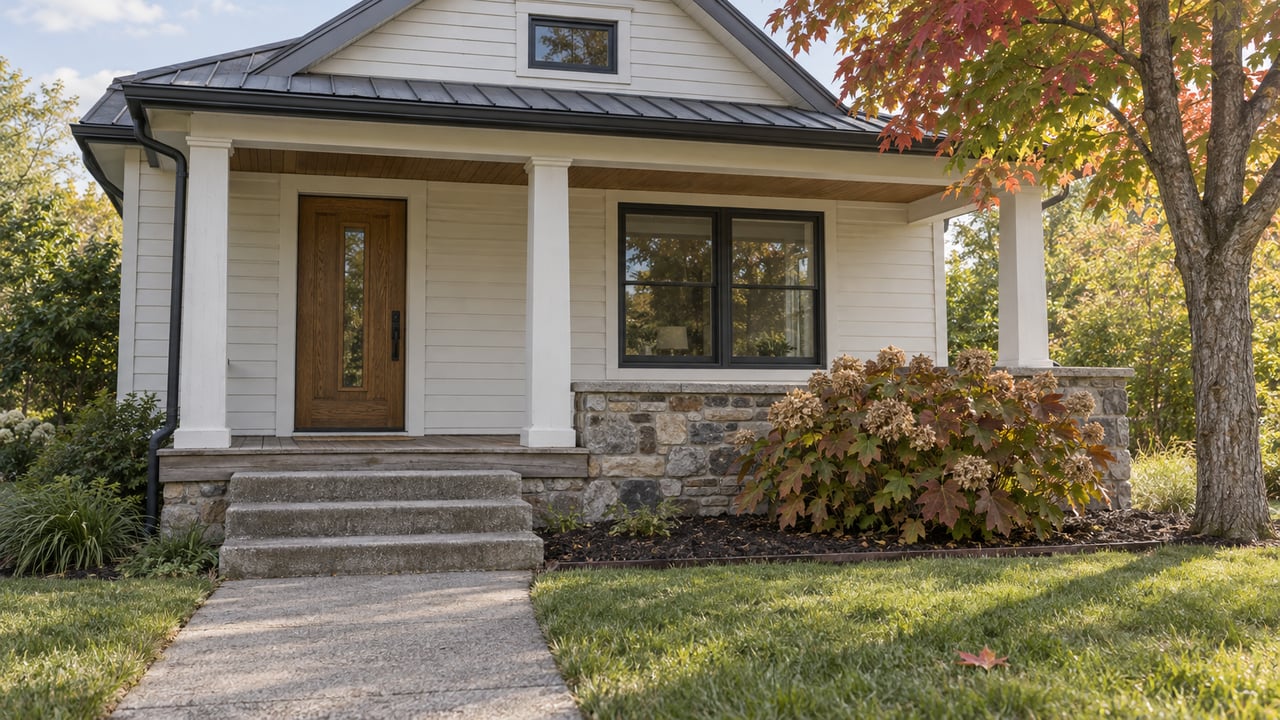
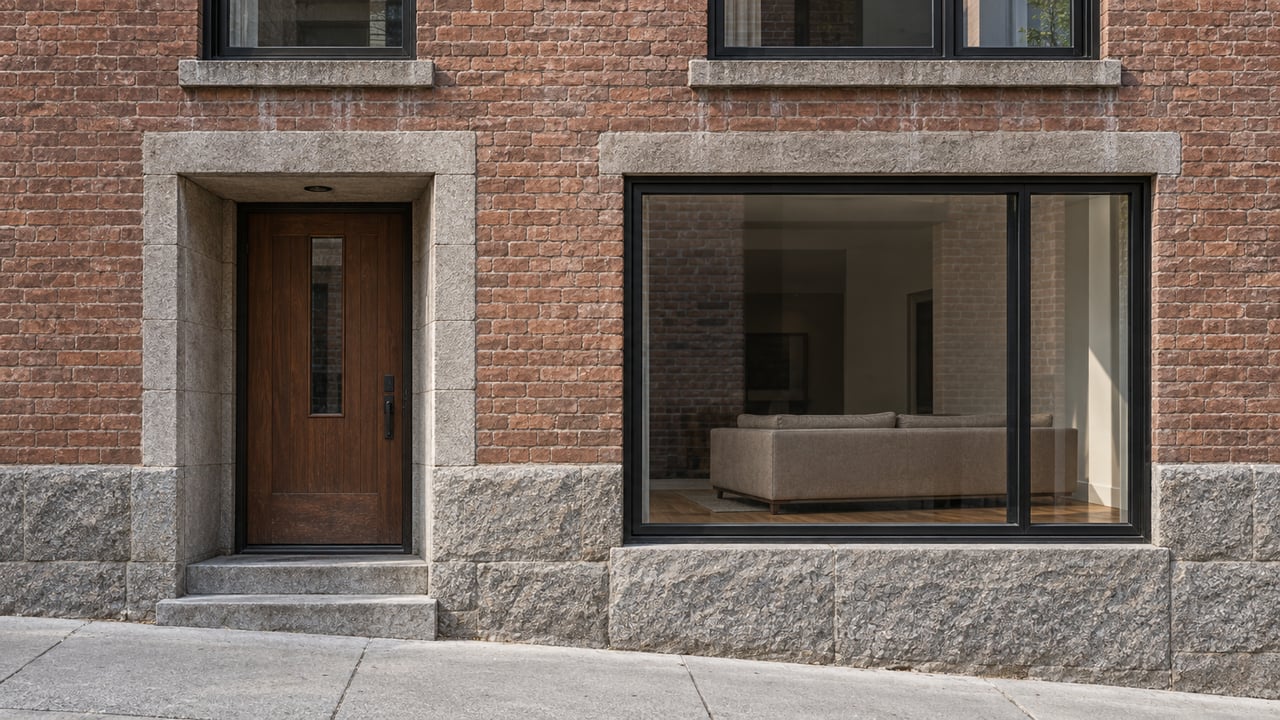
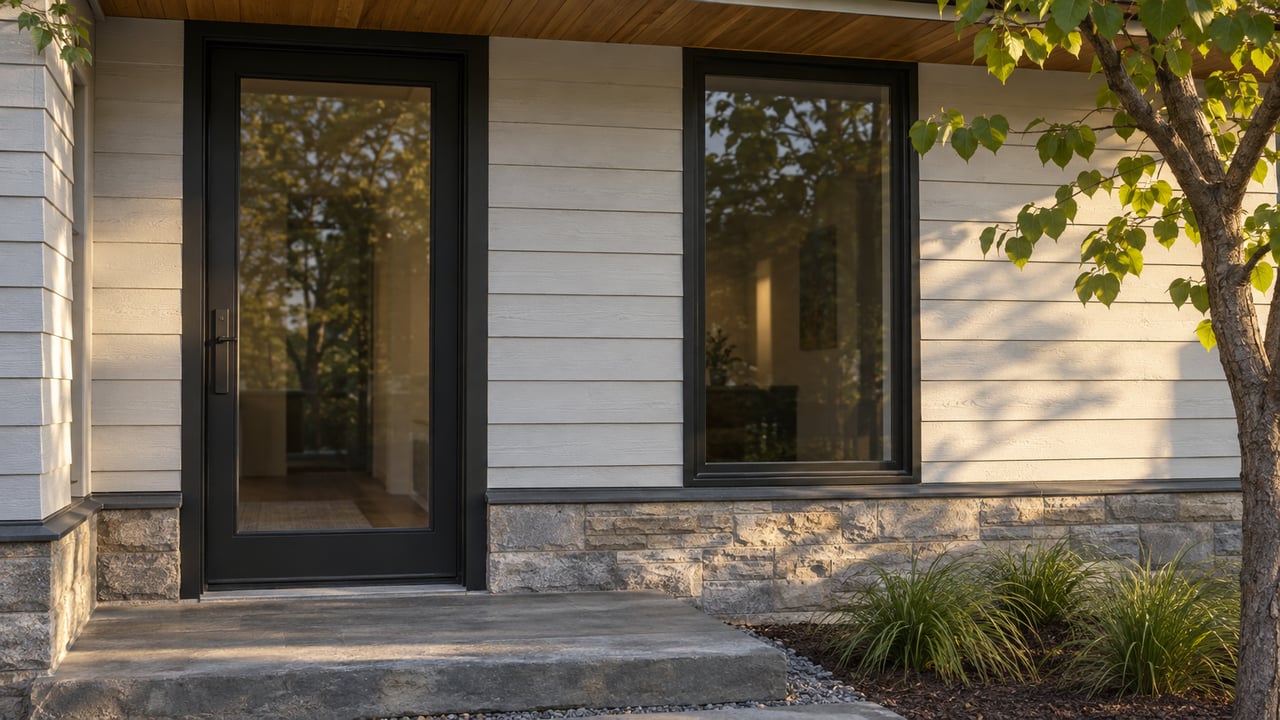
In Asheville, the biggest difference between a townhome and a condo is usually not the exterior style. It is the legal form of ownership under North Carolina law. Two attached homes can look very similar from the street and still come with very different rules, responsibilities, and costs.
A condominium in North Carolina is real estate where individual units are separately owned, while the rest of the property is owned in common by the unit owners. That shared ownership structure often means the association has broader responsibility for common areas and can set rules for how those spaces are used and maintained.
A planned community, which is where many townhomes fall, is different. In that setup, you typically own a lot and the improvements on it, while also being required by recorded documents to pay for shared expenses that benefit common areas or other lots. In many cases, the owner is generally responsible for the lot and improvements unless the declaration says otherwise.
Why the word “townhome” can be misleading
In Asheville, the label in a listing does not tell you everything you need to know. A home marketed as a townhome may still be governed by documents that create a very specific ownership structure and maintenance setup. That is why the declaration, bylaws, and disclosures matter more than the marketing description.
The North Carolina Real Estate Commission advises buyers to consult an attorney because condo and townhouse ownership can be legally complex. The North Carolina Department of Justice also notes that no state or federal agency oversees homeowners’ associations. For you, that means careful document review is not optional. It is part of making a confident purchase.
Compare the real monthly cost
A lower monthly HOA fee does not always mean a better deal. What matters is what those dues actually pay for and whether the association appears financially prepared for future repairs.
North Carolina disclosure law requires sellers to identify whether the property is subject to association regulation and disclose regular dues, services covered by those dues, approved special assessments, pending lawsuits, and transfer fees. This gives you a better way to compare options than dues alone.
You should also remember that associations have legal authority to collect assessments and related charges. Unpaid assessments can become liens. That makes it important to understand not only today’s costs, but also the association’s overall financial health.
What to look for in HOA dues
When you review dues, ask what they actually include. Useful items to compare include:
- Exterior maintenance responsibilities
- Landscaping and grounds care
- Roof and siding coverage
- Parking arrangements
- Insurance carried by the association
- Trash or other shared services
- Any recent or approved special assessments
- Transfer fees at closing
Insurance can change your out-of-pocket risk
Insurance is one of the biggest practical differences between condos and townhomes in Asheville. In a condominium, the association must maintain property insurance on the common elements. In some buildings, especially where unit boundaries are horizontal, that coverage can extend into the units, though it may not include owner-installed upgrades or betterments.
Planned communities have a similar rule for common elements, but that does not mean your personal coverage needs are the same. In both setups, owners can still buy insurance for their own benefit. The key question is simple: where does the master policy stop, and where does your responsibility begin?
If you are comparing a condo to a townhome, this is an area where small wording differences in the documents can have a big impact. Before you move forward, verify what the association insures and what you would need to cover yourself.
Asheville parking can tip the scales
Parking is not a small detail in Asheville, especially if you are considering downtown or close-in locations. The City of Asheville operates four downtown parking garages that are open 24/7, with hourly, daily, and monthly parking options. The city also operates downtown parking lots with hourly and monthly options.
That matters because a deeded or assigned parking space can be a major convenience factor for condo buyers in central Asheville. If easy daily access matters to you, compare whether a property includes a garage, driveway, assigned space, or no dedicated parking at all.
For some buyers, that single factor can make the choice much easier. A townhome may offer a more house-like parking setup, while a condo may work well if the building includes assigned parking or if you are comfortable with nearby city parking options.
Maintenance and privacy depend on documents
If your goal is low maintenance, do not assume one property type is always easier than the other. In North Carolina, the declaration controls much of the real-world answer.
Condos often appeal to buyers who want the simplest exterior-maintenance setup and are comfortable with more shared governance. Townhomes often appeal to buyers who want more of a house-like feel, sometimes with a garage, driveway, or a stronger sense of separation. Still, the exact maintenance split can vary a lot from one community to another.
That is why two properties that look nearly identical may offer very different experiences. One association may handle the roof, siding, landscaping, and exterior stairs. Another may leave some or all of those items to the owner.
Questions to ask about upkeep
Before you decide, ask who is responsible for:
- Roof
- Siding
- Windows
- Decks
- Stairs
- Driveways
- Landscaping
- Limited common elements, if any
These answers will tell you more about your future lifestyle than the property label alone.
Asheville buyers have more room to compare
Recent market conditions in the Asheville MSA suggest buyers may have a bit more breathing room than in a tighter market. Canopy MLS reported more than 2,200 homes for sale in February 2026, with 4.1 months of supply, followed by 4.2 months of supply in March 2026.
That shift toward a more balanced market gives you a better opportunity to compare not just price and finishes, but also association documents, dues, insurance, and parking. If you are deciding between a condo and a townhome, this is the kind of market where patient due diligence can pay off.
Documents to request early
If you are serious about a property, ask for the key association documents as early as possible. North Carolina law requires an owners’ association and mandatory covenants disclosure statement that includes important details such as dues, services covered, approved special assessments, pending lawsuits, transfer fees, and association contact information.
You should also request the declaration, bylaws, rules, current budget, reserve or financial statements, insurance certificate, and recent meeting minutes if available. Both condo and planned-community associations must keep financial records and make annual income-and-expense statements and balance sheets available to owners within 75 days after the fiscal year ends.
That information can help you spot whether the community appears stable and well-managed, or whether future costs may be more likely.
A simple way to decide
If you want the shortest version, start with your daily priorities. If you care most about minimizing exterior maintenance and are comfortable with more communal structure, a condo may be the better fit. If you want a more house-like setup and value features like a garage or driveway, a townhome may feel more natural.
Then test that first impression against the documents. In Asheville, the best choice is usually the one whose declaration, dues, insurance setup, and parking arrangement match your comfort level with shared governance and maintenance responsibility.
The exterior style may catch your eye first, but the paperwork is what tells you how the home will really live over time.
If you want help comparing Asheville condos and townhomes, the team at Elevate Asheville Realty Group can help you sort through the details and find the right fit for your goals.
FAQs
What is the main difference between a condo and a townhome in Asheville?
- The biggest difference is usually the legal ownership structure, not the exterior style. A condo involves separately owned units with shared ownership of common elements, while many townhomes are in planned communities where you own a lot and pay for shared expenses according to the declaration.
What documents should Asheville buyers request for a condo or townhome?
- Ask for the declaration, bylaws, rules, current budget, reserve or financial statements, insurance certificate, meeting minutes if available, and the owners’ association and mandatory covenants disclosure statement.
What should Asheville buyers check about HOA dues?
- You should check the amount of the dues, what services they cover, whether any special assessments have been approved, whether there are transfer fees, and whether there are any pending lawsuits disclosed.
How does insurance work for Asheville condos and townhomes?
- The association generally carries insurance for common elements, but the exact scope can vary. You should verify where the master policy ends and what coverage you would need to carry yourself.
Why does parking matter when choosing a condo in downtown Asheville?
- Parking can be a major convenience factor in central Asheville. A deeded or assigned space may be especially valuable because downtown parking often relies on city garages or lots with hourly, daily, or monthly options.
Is a townhome always more private than a condo in Asheville?
- Not always. Privacy, maintenance duties, and daily control often depend on the declaration and association rules, so two similar-looking homes can offer very different living experiences.