Looking for a home with real character in Asheville? Kenilworth stands out for buyers who want more than a standard floor plan and cookie-cutter lot. If you are drawn to bungalows, Tudor details, or the layered charm of older streetscapes, this guide will help you understand what makes Kenilworth unique, what to watch for when buying here, and how to approach your search with confidence. Let’s dive in.
Why Kenilworth feels different
Kenilworth began as an independent town in 1914 and was annexed by Asheville in 1929. Today, the City of Asheville places it southeast of downtown, between Beaucatcher Mountain and the Swannanoa River, with Tunnel Road generally to the east and Biltmore Avenue to the west.
That history shows up in how the neighborhood feels. Instead of reading like a later suburban subdivision, Kenilworth has the pattern of an older city district shaped by early development, hillsides, and varied architecture. For you as a buyer, that often means more personality, more lot variation, and more one-of-a-kind homes.
Kenilworth home styles to expect
Kenilworth is known for an eclectic mix of single-family and multi-family homes. City and state preservation sources describe architectural styles here ranging from Victorian to Modern, with a strong presence of 1920s-era homes.
Craftsman bungalows
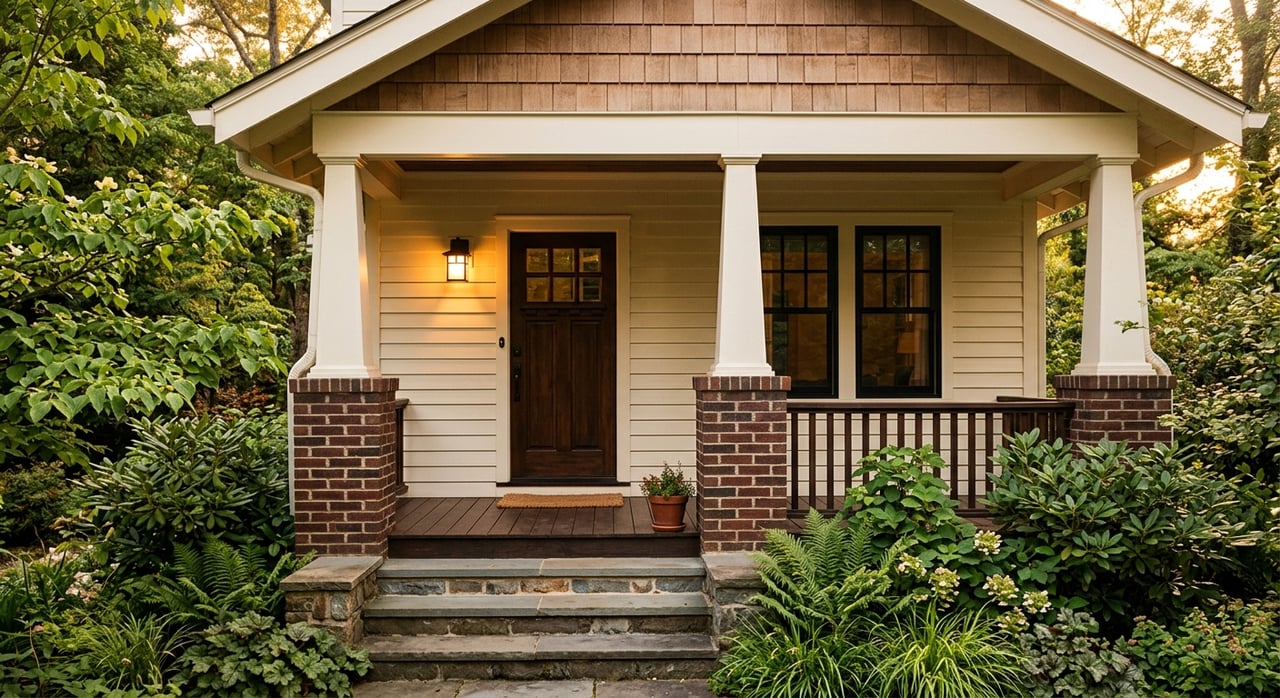
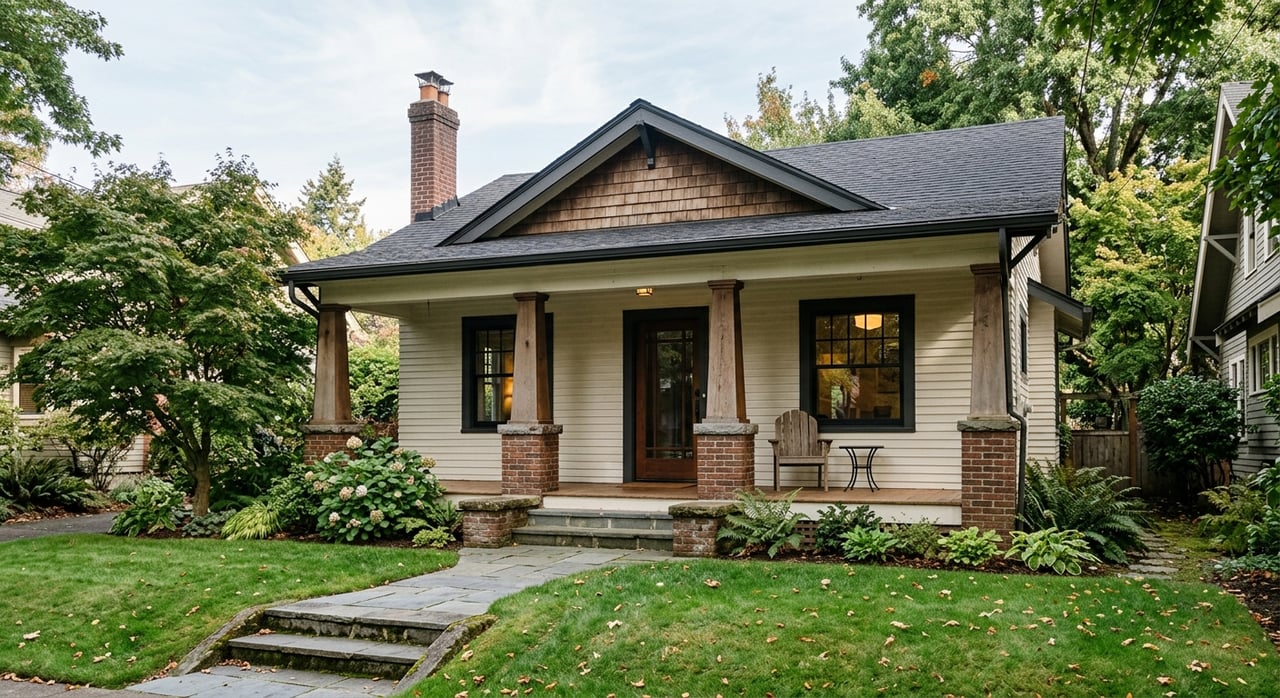
If you are shopping for a classic Asheville bungalow, Kenilworth is one place to look closely. City sources specifically highlight Craftsman bungalows as part of the neighborhood’s architectural mix.
These homes often appeal to buyers who value historic character, human-scale design, and details that feel hard to replicate in newer construction. In Kenilworth, they are part of a broader historic fabric rather than isolated standouts.
Tudor and English-inspired homes
Kenilworth also includes Tudor homes and English Cottage styles documented in state survey material. These homes can give the neighborhood a storybook feel, especially along older streets and clustered historic areas.
For buyers, that usually means more exterior character and less repetition from one house to the next. It also means each property deserves its own evaluation, since age, updates, and condition can vary widely.
Spanish-style villas and notable landmarks
A 2024 city spotlight calls out 1920s Spanish-style villas as another defining part of Kenilworth’s mix. One landmark example is the James Madison and Leah Arcouet Chiles House, identified as a Spanish Colonial Revival villa.
The Kenilworth Inn is another signature historic property and originally operated as a resort hotel. These landmarks help tell the story of a neighborhood that developed with architectural ambition and variety.
Later ranch and modern additions
Not every home in Kenilworth dates to the same period. The city notes that ranch, modern, and multifamily additions came later, adding more range to the housing stock.
That can be a plus if you want Kenilworth’s location and setting but prefer a home style that feels less historic. It also means your search can include several property types without leaving the neighborhood.
What historic-home buyers should know
Buying an older home can be deeply rewarding, but it usually comes with more due diligence. In Kenilworth, careful homework is part of the process.
Historic status is property-specific
One of the most important things to understand is that preservation rules are not neighborhood-wide in a simple, one-size-fits-all way. Asheville says properties in a local historic district are subject to design review, while National Register properties are not unless they are also locally designated.
That distinction matters if you are thinking ahead to repairs, additions, or exterior changes. Before you make assumptions, verify the exact status of the parcel you are considering.
Some homes may qualify for tax credits
The City of Asheville notes that contributing buildings in a National Register district or properties individually listed in the National Register may qualify for historic preservation tax credits. In North Carolina, qualifying owner-occupied historic homes may be eligible for a 15% state tax credit for rehabilitation work that meets program rules.
The State Historic Preservation Office advises owners to consult with the office before beginning rehab work. If tax-credit potential is part of your decision, it is worth confirming eligibility early rather than after renovation plans are already underway.
Site conditions matter in Kenilworth
Kenilworth’s geography is a big part of its appeal, but it also shapes the practical side of ownership. Because the neighborhood sits on high land above the Swannanoa River and is framed by mountain and river geography, buyers should expect more terrain-sensitive site conditions.
Sloped lots and irregular shapes
In flatter areas, buyers often expect straightforward yards and easy-access driveways. In Kenilworth, sloped yards, irregular lot shapes, and access questions are more common.
That does not mean a property is problematic. It does mean you should evaluate how the site works for your day-to-day needs, from parking and stairs to outdoor use and long-term maintenance.
Drainage and runoff deserve extra attention
The neighborhood’s hillside setting makes drainage, runoff, and retaining-wall questions especially important during inspections. Recent City of Asheville stormwater work on Kenilworth Road and nearby streets is a practical reminder that water management is a real local issue.
If you are comparing homes, pay close attention to grading, signs of past water movement, drainage improvements, and how water is directed around the structure. In older neighborhoods, these details can matter just as much as interior finishes.
Boundary questions in older neighborhoods
Lot lines can be less simple in older areas where parcels may have been subdivided, recombined, or mapped from earlier plats. Buncombe County says its GIS data is reference-only and not survey-grade.
If a boundary question could affect your plans, rely on deeds and plats, and bring in a licensed surveyor when needed. County map images can be helpful for general orientation, but they should not be used to settle a property-line dispute.
Inspections to prioritize before closing
A historic or older home purchase usually calls for a more thoughtful inspection strategy. The goal is not to be alarmed by age. The goal is to understand the property clearly.
Start with a home inspection early
The CFPB recommends scheduling a professional home inspection as early as possible. That gives you time to review the home’s condition, request additional inspections if needed, and address repair negotiations before deadlines get tight.
An independent inspector can help you get a fuller picture of the home’s physical condition. In Kenilworth, early timing is especially useful because older homes may reveal follow-up questions.
Understand lead-based paint rules
For homes built before 1978, federal law requires sellers to disclose known lead-based paint information before sale, share available records, and provide a buyer pamphlet. The EPA also notes that buyers have a 10-day window to conduct a paint inspection or risk assessment.
If you are buying an older bungalow or historic home and expect to renovate, plan with lead-safe practices in mind unless testing shows otherwise. You cannot assume painted surfaces are risk-free based on appearance alone.
Consider asbestos risk before remodeling
The EPA warns that you cannot tell by sight whether a material contains asbestos. In older homes, suspect materials such as floor tile, ceiling tile, pipe wrap, or siding should be sampled by a properly trained and accredited asbestos professional if they are damaged or if planned work would disturb them.
This matters most when you are budgeting for updates. Cosmetic projects can quickly become more complex if older materials require specialized handling.
How to buy smart in Kenilworth
Kenilworth can be an excellent fit if you value character, location, and architectural variety. The key is to pair that excitement with a disciplined approach.
Here are a few smart steps to keep in mind:
- Verify whether the specific property has any local historic designation or National Register relevance
- Schedule your home inspection early in the contract timeline
- Ask targeted questions about drainage, runoff, retaining walls, and site access
- Review deeds and plats carefully if lot boundaries may affect your plans
- Treat renovation planning with extra care in pre-1978 homes
- Budget for the possibility of follow-up inspections or specialist evaluations
A great Kenilworth purchase is often about seeing both the charm and the checklist. When you do that, you are more likely to buy with confidence and fewer surprises.
If you are exploring Kenilworth, it helps to work with a team that understands Asheville’s older neighborhoods, varied housing stock, and the practical details that shape a smart purchase. For local guidance on buying, relocating, or evaluating homes in Kenilworth and across Asheville, connect with Elevate Asheville Realty Group.
FAQs
What types of historic homes are common in Kenilworth, Asheville?
- Buyers in Kenilworth are likely to see Craftsman bungalows, Tudor homes, English Cottage styles, 1920s Spanish-style villas, and other older homes mixed with later ranch and modern additions.
What should buyers inspect in older Kenilworth homes?
- Buyers should schedule a professional home inspection early and pay close attention to drainage, runoff, retaining walls, site access, lead-based paint concerns in pre-1978 homes, and possible asbestos in older materials if remodeling is planned.
Are all Kenilworth homes subject to historic district rules?
- No. Asheville says design review applies to properties in a local historic district, while National Register properties are not subject to that review unless they are also locally designated.
Do Kenilworth properties have straightforward lot lines?
- Not always. In older neighborhoods, parcels may have been subdivided or recombined over time, and Buncombe County says GIS maps are reference-only, so buyers should rely on deeds, plats, and licensed surveyors when needed.
Can buyers get tax credits for historic homes in Kenilworth?
- Some qualifying owner-occupied historic homes in North Carolina may be eligible for a 15% state tax credit for rehabilitation work that meets program rules, and eligibility should be confirmed before work begins.