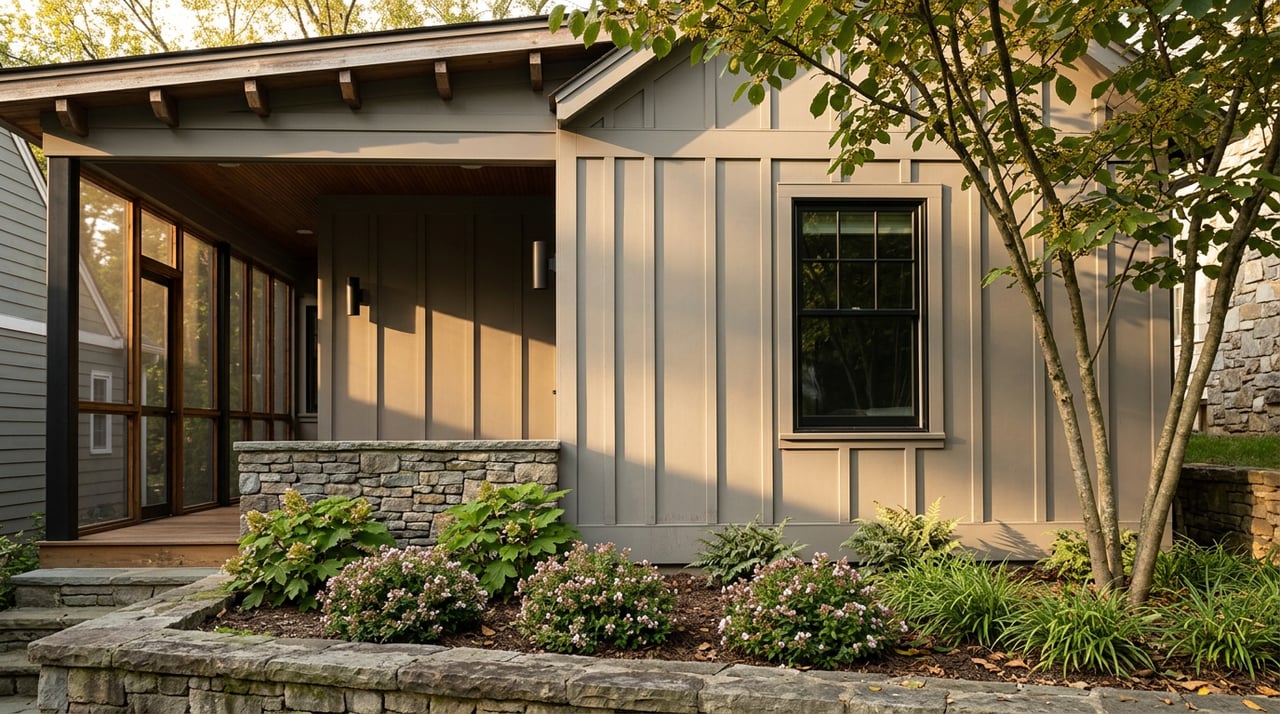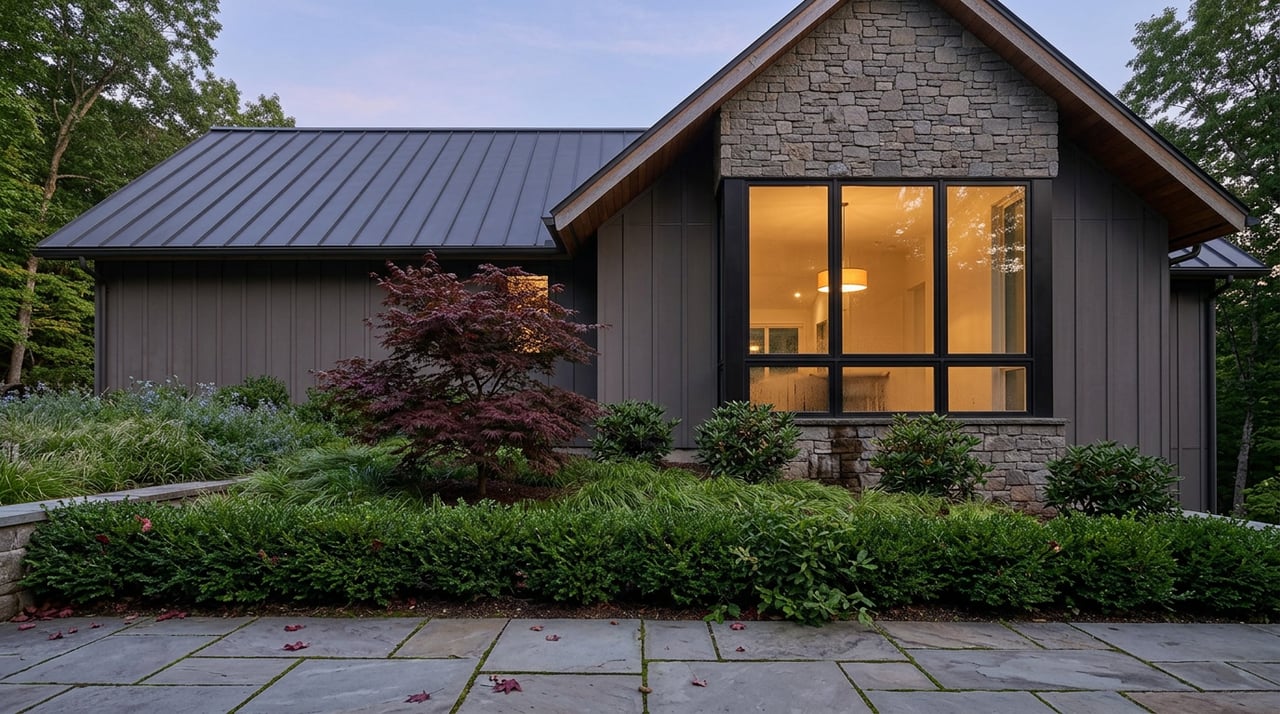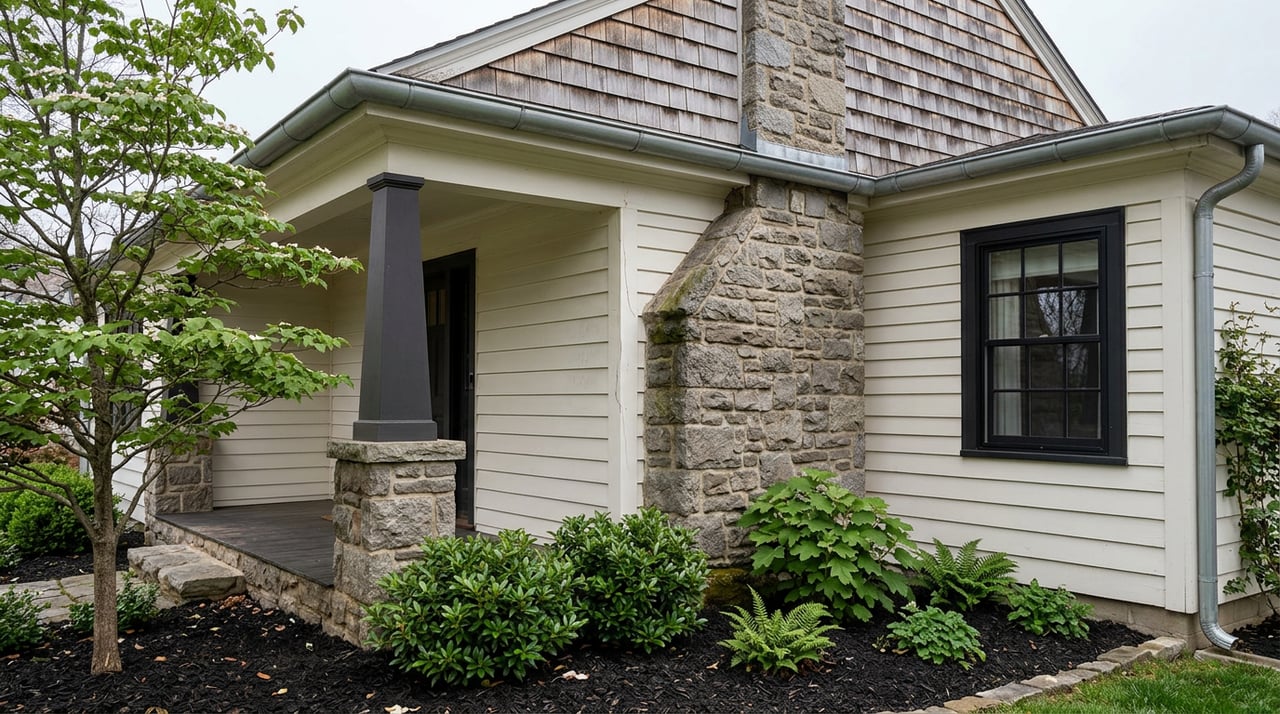
Say you're touring three houses in Montford in the same week. All three sit within a few blocks of each other. All three show up in the listing description as "historic." One of them will require city approval before you can replace a window. One won't. The third might let you tear the house down if you can prove hardship, and it might not.
Nothing on the listing sheet tells you which house is which. That's the part of buying in Montford that catches people off guard, and it has nothing to do with price or square footage.
National Register and Local Historic District Are Not the Same Thing
Most of Montford was added to the National Register of Historic Places on November 25, 1977, recognizing more than 600 structures built mostly between 1890 and 1930 in Queen Anne, Shingle, Colonial Revival, and bungalow styles. That's the designation people usually mean when they call a Montford house "historic." It's also the designation that, on its own, changes almost nothing about what you're allowed to do to your house.
The designation that actually matters for renovation is a separate one. In 1981, the Asheville City Council designated Montford a Local Historic District, placing it under the authority of the Asheville-Buncombe Historic Resources Commission, a joint city-county body created in 1979. The city's own guidance on this is direct: properties inside a National Register district are not subject to design review unless they're also inside a Local Historic District. Two designations, two very different sets of obligations, and they don't perfectly overlap on the ground.
Practically, this means the "historic" label on a listing tells you almost nothing about your renovation timeline. What tells you something is whether the parcel sits inside the Local Historic District boundary the HRC actually enforces.
Montford Hills Sits Right Next Door, Outside the Boundary
The neighborhood most people picture when they say "Montford" includes an adjacent pocket called Montford Hills, built primarily in the 1920s as a suburb of the original district. It reads as part of the same community. It shares streets, it shares the same architectural period, and it is explicitly outside HRC jurisdiction, according to the neighborhood's own community page.
So a buyer choosing between a 1915 bungalow inside the Local Historic District and a 1920s house a few blocks over in Montford Hills isn't choosing between two flavors of the same historic charm. They're choosing between two different regulatory futures. One path runs every exterior change past a city commission. The other doesn't.
Here's how the three most common scenarios actually shake out for a Montford buyer:
| Designation | Design review required? | What it means for renovation |
|---|---|---|
| National Register only | No | Exterior changes proceed under standard building permits, no Certificate of Appropriateness needed |
| Local Historic District (most of Montford) | Yes | Certificate of Appropriateness required before most exterior work, even work that doesn't need a building permit |
| Montford Hills | No | Outside HRC jurisdiction entirely, despite sitting inside the neighborhood |
What a Certificate of Appropriateness Actually Covers
If your house sits inside the Local Historic District, the Certificate of Appropriateness, or CA, is the document that has to exist before most exterior work happens. City ordinance is specific on this point: no building permit for construction, alteration, moving, or demolition can be issued inside a historic district without a CA first, and a CA is required whether or not a building permit is required at all. That second part is the one buyers miss. Some exterior changes don't need a building permit under the state building code, but they still need HRC sign-off if the house is in Montford's local district.
Not every change triggers a full hearing. Routine maintenance, repainting in most cases, and minor repairs typically don't require review. Anything larger gets sorted into Minor Work, reviewed by planning and historic resources staff without a public meeting, or Major Work, which goes to the full commission at its regular monthly meeting, held the second Wednesday of each month at 4 p.m. at Asheville City Hall. Staff will bump a Minor Work application up to the full commission if the project is substantial or sets a precedent for the district, which is worth knowing if your renovation plans include anything beyond a straightforward repair.
The guidelines themselves run long, roughly 110 pages, covering everything from window replacement standards to chimney caps. Despite that reach, the city doesn't police paint color or other purely cosmetic choices. The review exists for changes to form and material, not for taste.
The Demolition Clause Most Buyers Never Read
Local historic district status carries one more piece of leverage that rarely comes up until it matters. If an owner wants to demolish a contributing structure, the HRC can delay the demolition for up to 365 days but generally cannot deny it outright. That delay exists to give preservation advocates time to find an alternative before the building comes down.
There's an exception, and it's a meaningful one. For a building the State Historic Preservation Officer has determined has statewide significance, the HRC can actually deny a demolition request, unless the owner can show the denial would cause extreme hardship or permanently deprive them of any beneficial use of the property. That's a much higher bar than the standard 365-day delay, and it applies to a smaller subset of Montford's most architecturally significant homes. If you're eyeing a property specifically because it's one of the neighborhood's standout examples of Richard Sharp Smith's work or another architecturally notable structure, this is the clause that could shape what you're allowed to do with it long after closing.
The Tax Credit Nobody Mentions Until You Ask
Here's the part of this system that works in a buyer's favor. North Carolina offers a 15 percent state tax credit for the rehabilitation of owner-occupied historic homes, separate from the federal 20 percent credit that applies only to income-producing properties. To qualify, the rehabilitation has to exceed $10,000 in qualified expenses within a 24-month window, and the credit itself is capped: eligible expenses top out at $150,000, for a maximum credit of $22,500, and a homeowner can only use it once every five years.
This isn't a hypothetical program. The National Trust for Historic Preservation's project database shows a certified rehabilitation completed in 2016 at 152 Montford Avenue, the Baird Store Building, with roughly $491,500 in qualified rehabilitation expenses. That project was a multi-use commercial rehab, which put it under the income-producing federal and state credit rules rather than the owner-occupied 15 percent path, but it shows the credit system is actively used on Montford Avenue property, not just theoretical. For a buyer planning a major restoration of a single-family contributing structure, the owner-occupied credit is the one to ask about, and it can meaningfully offset the cost of doing the work correctly.
What This Actually Changes Before You Write an Offer
None of this should scare a buyer away from Montford's historic core. It should change what questions get asked before an offer goes in. Before falling in love with a specific house, it's worth confirming:
- Whether the parcel sits inside the Local Historic District boundary or only carries the National Register listing
- Whether the property is inside Montford Hills, where HRC review doesn't apply at all
- Whether planned renovations would likely fall under Minor Work or would need a full HRC hearing
- Whether the home might qualify as a contributing structure eligible for the state's owner-occupied rehab credit
An agent who's walked a buyer through this before can usually answer the first two from the address alone and point toward city planning staff for the rest. That's the value of local process knowledge over a generic historic-district explainer: it tells you which rules apply to the specific house in front of you, not to historic districts in general.
FAQ
Does a National Register listing without local designation help a buyer at all? Yes, in a different way. A contributing structure in a National Register district, even without local historic district status, can still qualify for the state's rehabilitation tax credits. It just won't require HRC design review for exterior work.
Can a homeowner appeal an HRC decision? The city's design review process allows for administrative appeals through the standard variance and appeals procedures outlined in the development code, separate from the Minor Work and Major Work review track itself.
Does buying in Montford Hills mean no rules at all apply to renovations? No. Standard city zoning, building permits, and setback requirements still apply throughout Montford Hills. What's absent is the additional layer of HRC design review that governs exterior changes inside the Local Historic District boundary.
If you're weighing a historic Montford purchase and want to know exactly which rules apply to a specific address before you write an offer, Elevate Asheville can walk the boundary lines with you and help you plan a renovation that works with the process instead of against it.