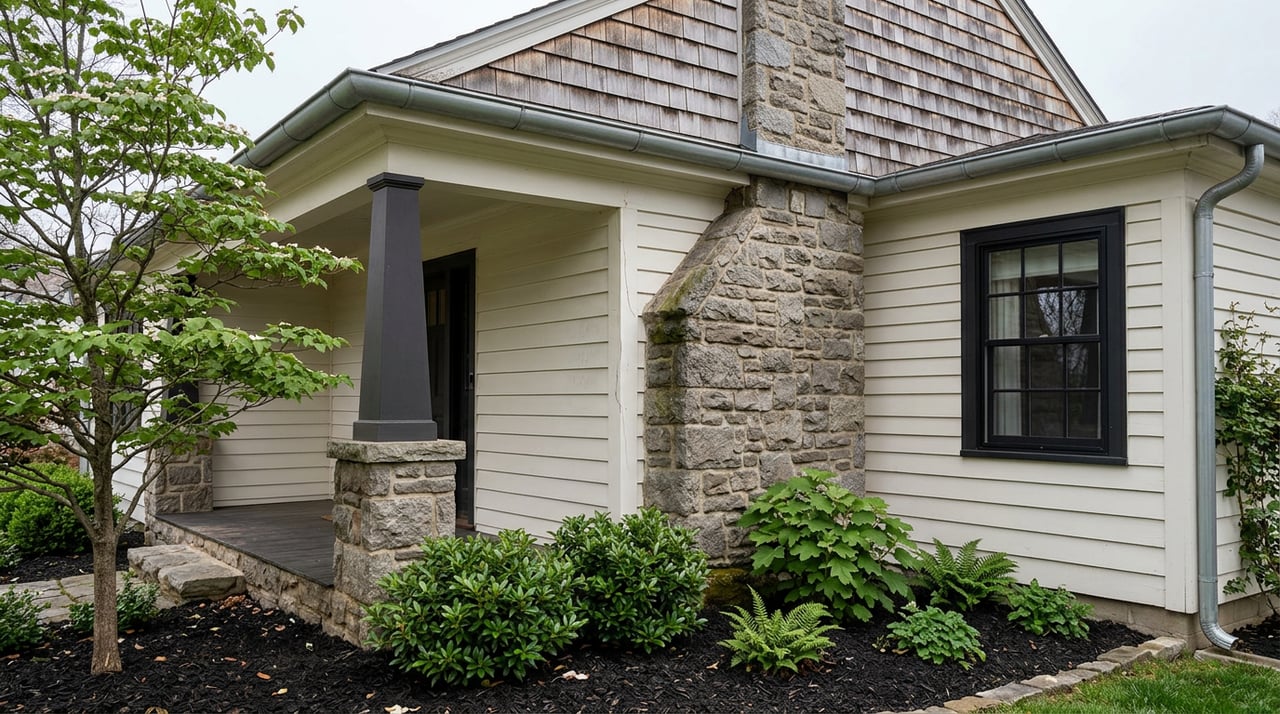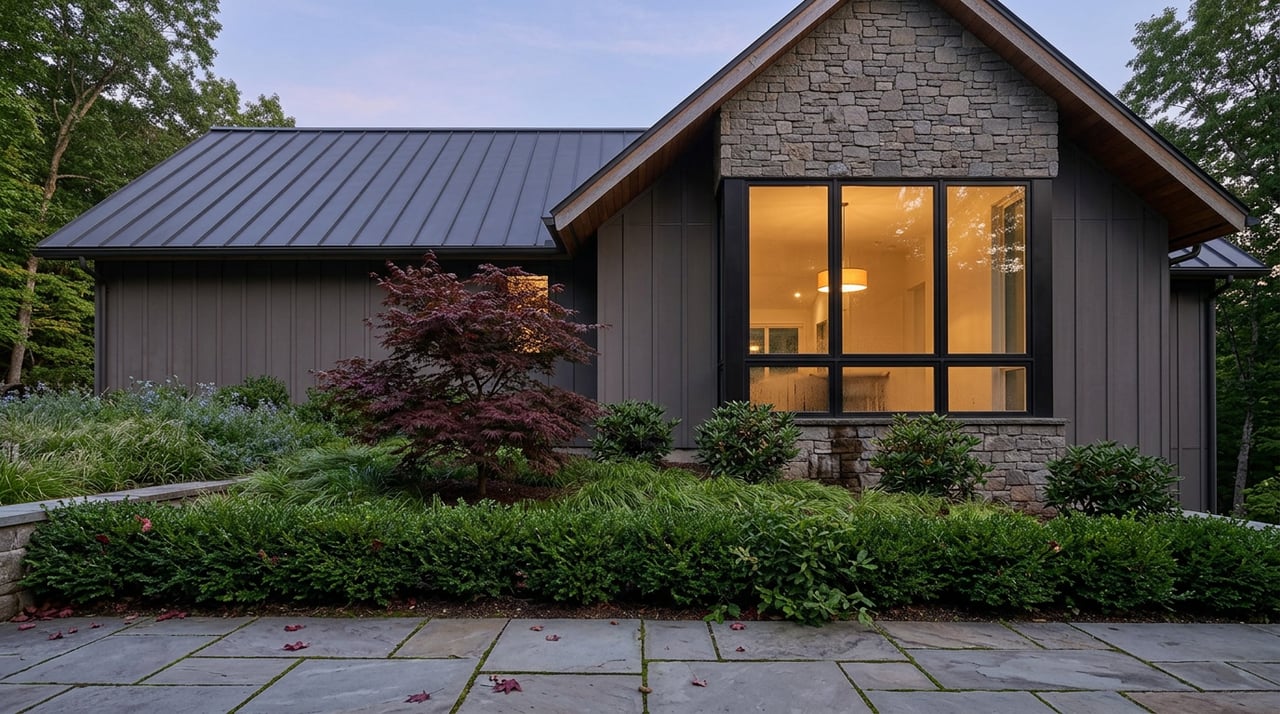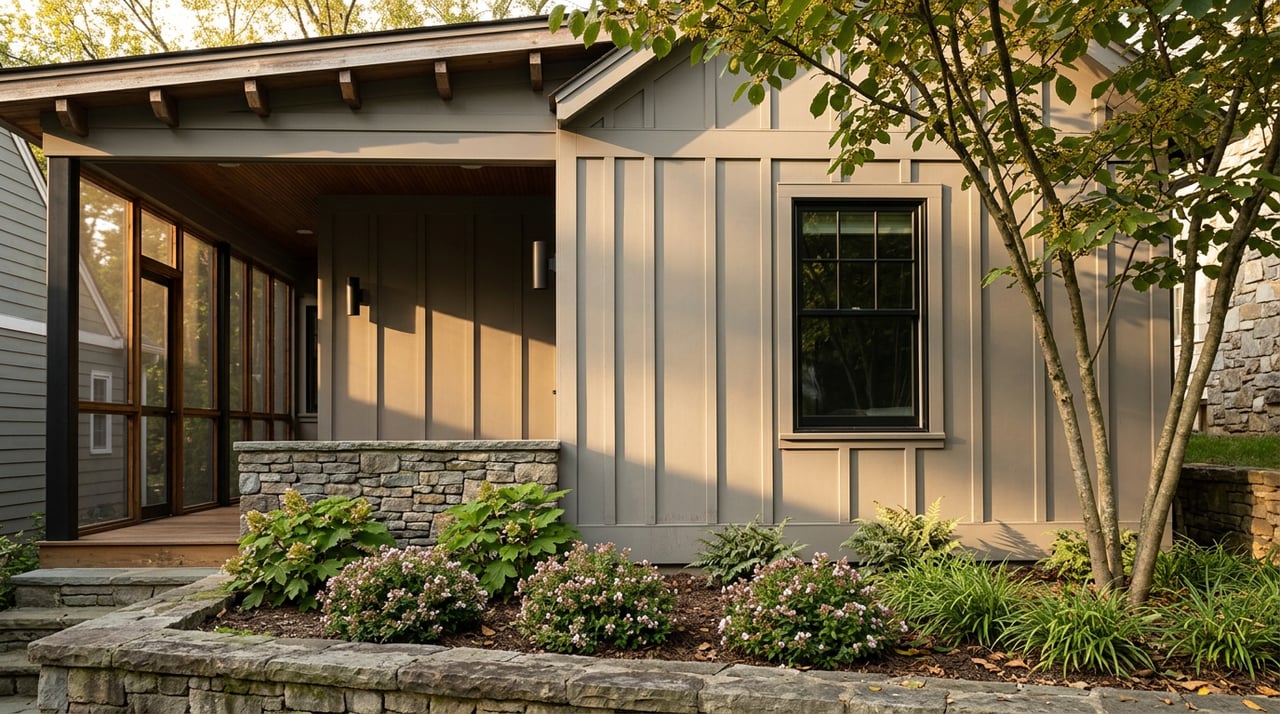
"Build the roads where the horse hoofs are." That's reportedly what developer Jake Chiles told his crew when Kenilworth was platted out in 1913, letting his horse pick the easiest path up the hills between what's now Biltmore Avenue and Tunnel Road. It's a good story. It's also the reason the neighborhood still doesn't have a single straight street, and the reason that every October, when the Kenilworth Artists Association throws open roughly a dozen home studios for its annual self-guided tour, first-time visitors spend half the afternoon happily lost.
This year the tour lands on its traditional weekend: October 10 and 11, 2026, according to the association's own site. That detail matters more than it looks. The 2024 edition didn't happen in October at all. Tropical Storm Helene pushed it to Thanksgiving weekend, November 30 and December 1, and Mountain Xpress covered the rescheduled event as a rare late-season sale rather than the usual fall tradition. For 2026, the tour is back where it's supposed to be, which is a small but real signal that one of Kenilworth's oldest community fixtures has settled back into its normal rhythm.
A tour that runs on the neighborhood's original mistake
Most studio tours in Asheville happen in places built for foot traffic: gallery blocks, warehouse districts, a grid you can screenshot and follow. Kenilworth's version works differently because the neighborhood itself works differently. The streets curve because a horse curved them. There's no efficient loop through the neighborhood, only a series of climbs and switchbacks that the Kenilworth Artists Association has been mapping into a tour brochure for more than two decades.
In recent years that's meant somewhere between 14 and 20 open studios and 19 to 26 participating artists, working in oil, watercolor, acrylic, ceramics, glass, fiber, woodcraft, jewelry, and photography. The tour is self-guided and free, which sounds like a small thing until you're standing at the top of a hill deciding whether the next studio is worth the walk back down. Some past years have paired the art with a cause: artists in the 2024 tour donated a portion of sales to Loving Food Resources, a pantry serving Western North Carolina's hospice and HIV/AIDS communities. Whether that continues for 2026 isn't confirmed yet, but it's been part of the tour's character before.
The practical advice hasn't changed much either. Bring a map, wear shoes that can handle a real hill, and don't expect your phone's walking directions to make sense of streets that were never meant to make sense.
The lake the same developer built two years later
Two years after platting the streets, Jake Chiles dammed Ross Creek and created Kenilworth Lake in 1925. It's not part of the studio tour route, but it's worth building into the same weekend. The lake anchors a walking loop that functions as the neighborhood's default meetup spot, the kind of place where a Saturday morning run and a Sunday studio crawl end up covering the same few blocks. If you're making a weekend of the tour, the lake is the natural bookend.
Five parks nobody quite expects in a neighborhood this size
Kenilworth has five distinct parks: Kenilworth Park on Wyoming Road, with its ball courts, playground, and open fields; Leah Chiles Park; and Meadow, Seven Springs, and Forest Parks, which lean more toward walking trails and unstructured green space. That's an unusual density of public land for a neighborhood this compact, and it's part of why the studio tour works logistically. Artists aren't just opening studios along streets, they're opening them near green space that residents already use daily, so the tour route doubles as a walk through the parks most people already know.
One of those parks carries a piece of history that predates the art tour by decades. A creek running from Kenilworth Park through Meadow and Seven Springs Parks went unnamed until 2018, when the Kenilworth Residents' Association named it Gibson Creek, honoring resident and community leader George Washington Gibson Sr. for his work restoring the South Asheville Cemetery. In 2022, the association's historical committee added an interpretive sign explaining Gibson's work and the history of the South Asheville community, which was settled in the 1800s by free and enslaved people of color and later annexed into what's now Kenilworth.
The South Asheville Cemetery itself sits behind St. John 'A' Baptist Church and holds the graves of more than 2,000 free and enslaved African Americans buried there between the 1840s and 1943. It's the oldest public African American cemetery in Western North Carolina, and the South Asheville Cemetery Association still coordinates volunteers to maintain it. None of this is on the studio tour map, but it's a five-minute walk from streets that are.
The other landmarks doing quiet work in the background
Kenilworth's built history shows up on nearly every block the tour passes. The Kenilworth Inn, built in 1902 and rebuilt in 1918 after a fire, spent time as a resort, a U.S. military hospital, and a psychiatric hospital before its current life as residential apartments. The Cedar Crest Inn, a Queen Anne built in 1891 as the Breese House, and Zealandia, a castle-like structure from the same era that once housed Asheville's first art museum, round out a stretch of architecture that most tour visitors walk past without knowing the backstory. Newton Academy Cemetery, active from 1818 to 1919, holds soldiers from both the American Revolution and the Civil War, Union and Confederate alike.
None of these landmarks are stops on the KAA tour route. But they're why a walk through Kenilworth in October feels layered in a way that a newer neighborhood's studio tour doesn't. You're not just looking at contemporary ceramics and watercolor. You're looking at them from a porch built in 1891.
The tour is one weekend on a longer community calendar
The studio tour isn't Kenilworth's only recurring event, just its most visible one to outsiders. The Kenilworth Residents' Association, a volunteer-run nonprofit, organizes a broader calendar that includes a Fourth of July parade, a neighborhood-wide yard sale, Parent's Night Out evenings, and periodic clean-up days. The association's own events page lists the Kenilworth Artists Association as one of its affiliated groups, alongside something called the Kenilworth Conservation Collective, which points to a neighborhood that treats its art tour less as a standalone attraction and more as one thread in a year-round community effort.
That distinction is easy to miss if you're only searching "things to do in Kenilworth this weekend." The tour shows up in every listicle. The fact that it's run by the same volunteer network that handles trash pickup and the July parade doesn't.
What this actually tells you about the neighborhood
A studio tour surviving a hurricane rescheduling and landing back on its normal October weekend isn't a huge story on its own. But it's a useful data point about how Kenilworth functions. This is a neighborhood where a developer's horse from 1913 still determines your walking route, where a creek got its name in 2018 to correct a century of oversight, and where the residents' association that organizes the yard sale is the same network that keeps the art tour running. Nothing here got redesigned or modernized to make more sense. It just kept going, curves and all.
If you're already living on one of those curving streets and planning your October around the tour, that continuity is probably part of why you're there. If you're the kind of person who reads a story like this and starts wondering what it would actually take to live on one of those streets yourself, Elevate Asheville Realty Group can walk you through it, starting with a free home valuation if you're curious what a Kenilworth property is worth in today's market.