Planning a move to South Asheville and wondering how to make the South Slope Brewing District your new home base? You are not alone. Between the walkable brewery scene, downtown employers, and nearby neighborhoods, this area offers a lot to love. In this guide, you will get a clear 3–9 month plan, housing options, commute insights, and local resources to make your move smooth and confident. Let’s dive in.
Your 3–9 month relocation timeline
9 months out: Set your foundation
- Clarify your priorities. List commute tolerance, housing type, yard needs, school considerations, budget, and how much nightlife you want nearby.
- Start conversations with a local real estate agent who knows Buncombe County and downtown neighborhoods, including South Slope and Southside.
- Ask for a current market snapshot for your shortlist. Request median prices, inventory trends, and average days on market pulled from recent MLS data.
- If selling in another area, begin prepping your home and aligning timing.
- If schools matter, check district boundaries and enrollment policies early.
- Build a move budget that covers movers, deposits, closing costs, and any temporary housing.
6 months out: Get active
- If buying, obtain lender pre-approval. Local lenders can help streamline appraisals. Confirm property tax implications in Buncombe County.
- If renting, set alerts on major portals and track listings, including furnished and short-term options.
- Plan an in-person visit for 2–4 days. Tour neighborhoods, homes, and schools, test commute routes at your likely schedule, and preview temporary housing.
- Request quotes from at least three licensed moving companies. Note that spring and summer often cost more and book up faster.
- For families, gather school and immunization records and begin transfer steps.
3 months out: Make decisions
- Finalize housing. Sign a lease or go under contract to buy.
- If purchasing, schedule inspections and the appraisal. In faster markets, a walk-and-talk style pre-offer inspection during an early visit may be possible.
- Reserve temporary housing if you need a bridge between arrival and your permanent home.
- Confirm your mover and services, including packing if needed.
- Start address change tasks and notify your landlord, employer, and utilities.
30–14 days out: Lock in logistics
- Buyers: confirm closing date, final walk-through, and utility activation for water, electric, gas, and internet.
- Renters: provide required documentation and deposits for move-in.
- Transfer medical and dental records. Register with local providers if you prefer to have appointments lined up.
- For families, finalize school enrollment details, bus routes, and childcare start dates.
- If your new place is in a residential permit area, verify parking rules with the City of Asheville.
14–1 days: Prep for arrival
- Pack a separate essentials kit with documents, medications, and basics.
- Coordinate move-in access with building managers, including elevator reservations and timing.
- Confirm check-in times and keys for any temporary rental.
- On arrival, prioritize utility setup and internet so you can settle in quickly.
First 0–3 months in Asheville
- Update vehicle registration and your driver’s license according to North Carolina rules.
- Register to vote, license pets if required, and finalize school paperwork.
- Visit your neighborhood at different times to understand noise, traffic, and parking patterns.
- If you bought a home, complete any post-closing tasks such as warranty transfers or contractor follow-ups.
Practical timing tips
- Peak moving season locally is often April through September, so book movers and temporary housing early.
- Inspections and appraisals can move quickly in competitive segments. Ask your agent about timing in your price point.
- If work starts soon, focus on temporary housing within about 0–20 minutes of your workplace.
Temporary housing near South Slope
Furnished short-term rentals
- Pros: fully furnished, flexible terms, and walkable access to South Slope breweries, restaurants, and downtown offices.
- Cons: higher nightly and weekly rates, plus cleaning fees. Some buildings have minimum-stay rules, and local short-term rental regulations may apply.
- Booking tip: for stays longer than 30 days, look for monthly-rate options and confirm parking.
Extended-stay hotels and corporate housing
- Pros: predictable services, utilities included, housekeeping, and easy setups for 1–3 month stays.
- Cons: smaller living spaces and limited kitchens. Costs can exceed a furnished apartment for longer stays.
Furnished apartments
- Pros: designed for relocations with 1–6 month leases. Utilities and furnishings are often included.
- Cons: fewer units compared with short-term rentals and may require a larger deposit.
Sublets and lease takeovers
- Pros: can reduce monthly cost and commitment length.
- Cons: availability varies and quality can be inconsistent. Verify lease terms and landlord approval.
Roommates and house shares
- Pros: cost-effective and fast to secure.
- Cons: less privacy and may not be ideal for families.
Downtown considerations
- Walkability is a major benefit in South Slope, especially for short-term stays.
- Nightlife and event traffic can be busy on evenings and weekends. If you want quieter nights, consider nearby areas like Kenilworth or Biltmore Village for your interim rental.
- Expect paid street parking or garage fees downtown. Confirm parking with any rental before booking.
Commuting and getting around
Driving and parking
- South Slope sits in the southern edge of downtown Asheville and is close to many employers and venues.
- Commutes of 0–5 miles, such as from Biltmore Village, Southside, or the Montford area, can often take about 5–15 minutes outside of peak congestion. Suburban 5–12 mile drives may take about 15–30 minutes.
- If you drive into South Slope, plan for paid meters, municipal garages, or restricted residential parking.
Public transit
- Asheville Redefines Transit operates bus routes serving downtown and surrounding neighborhoods. Service frequency varies by route and time of day.
- Regional buses and park-and-ride options exist for some suburbs, but coverage is more limited than large metro systems. Check current schedules for your specific route.
Walking and biking
- South Slope is one of Asheville’s most walkable areas. Many people commute on foot to restaurants and offices.
- Greenways continue to expand along the French Broad corridor. Biking is practical for some commutes under about three miles, depending on route and comfort level.
- Bike share and e-scooter availability can fluctuate with providers and local rules.
Rideshare and taxis
- Rideshare apps are widely used, especially during evenings around the brewery district and when parking is tight.
Special local factors
- Weekend and evening events can increase foot and car traffic. Test your route at the time you plan to travel.
- Some river-adjacent roads can be affected by flooding during heavy rain. When evaluating homes, review floodplain data and local notices.
How to shortlist neighborhoods
Define your non-negotiables
- Maximum commute time to South Slope or your workplace.
- Desired housing type, yard size, and parking needs.
- Walkability, bike access, and transit options.
- Noise tolerance and proximity to nightlife.
- Budget and any school or childcare requirements.
Apply practical filters
- Check flood risk, especially near the French Broad River.
- Review zoning, any historic district rules, and HOA covenants if applicable.
- Confirm on-street parking rules and whether permits are required.
- Look into road projects or construction that could add noise or delay commutes.
Nearby areas to consider
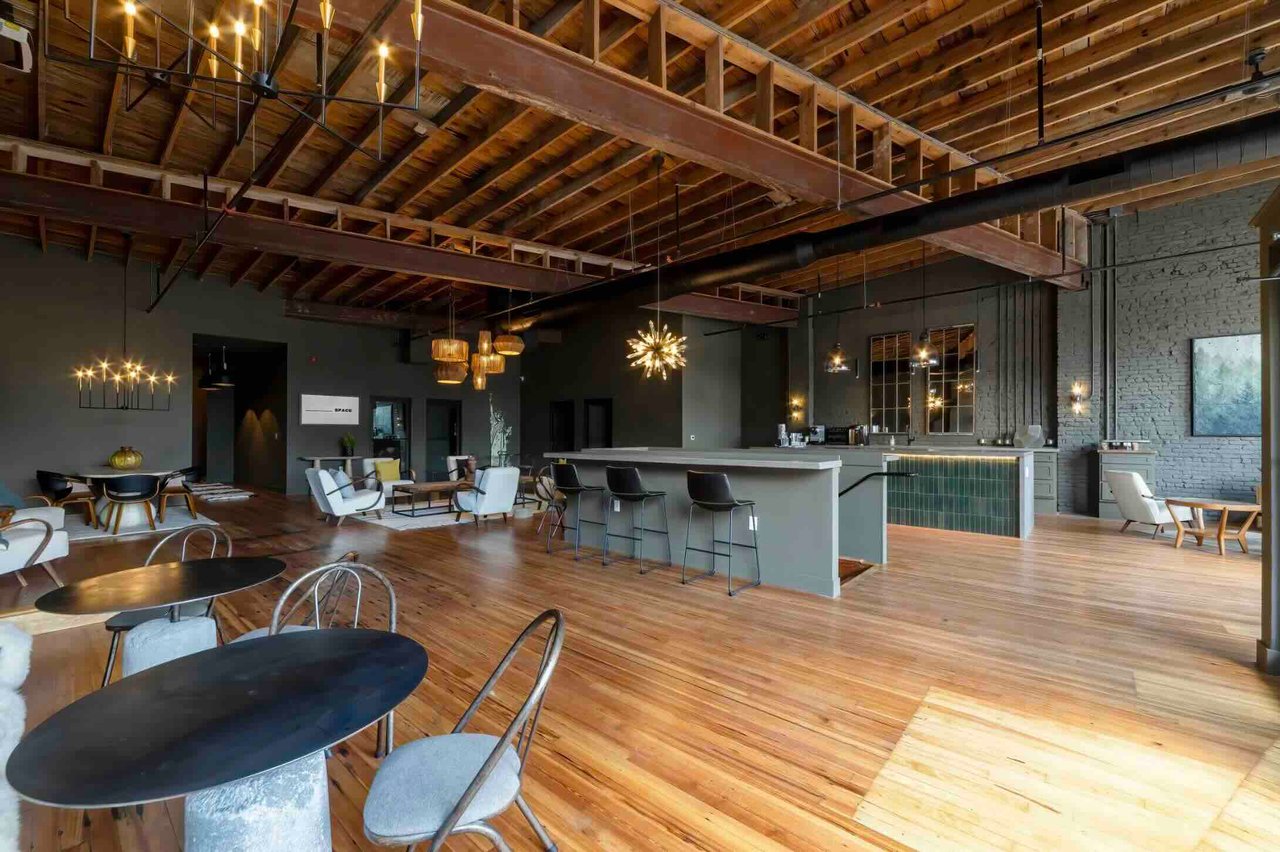
- South Slope and Southside: dense, walkable, and close to employers with a strong brewery and dining scene. Expect condos and lofts, limited single-family options, and parking constraints.
- Biltmore Village and Kenilworth: quieter streets and green space within a short drive to South Slope. Housing includes historic homes and some newer options.
- Montford and Chestnut: historic architecture and tree-lined streets with walkable paths into downtown.
- Broader South Asheville, including Arden, Fletcher, and Biltmore Forest: more suburban living with larger lots and more single-family inventory. Commutes to South Slope are longer but manageable for many.
- West Asheville: a popular area with restaurants and bungalows. Not south of downtown, but frequently on the shortlist for relocations to Asheville.
Due diligence checklist for any property
- Floodplain and drainage considerations, especially near the French Broad River.
- Historic district restrictions and HOA rules.
- Zoning and permitted uses if you plan to operate a home business or add an accessory dwelling unit.
- Parking availability and whether on-street permits apply.
- Roadwork and planned construction that could affect noise or commute times.
Essential local resources
- Utilities and services: electricity is commonly provided by regional utilities, natural gas service is often through a major provider, and the City of Asheville manages in-city water and sewer. Outside the city, some addresses use county systems or private wells and septic. Trash and recycling are managed by the city in many in-town areas.
- Internet: large providers such as cable and DSL or fiber operate locally, but exact service depends on the address. Verify availability before you commit to a property.
- Healthcare: major hospitals and clinics are a short drive from downtown. If you need to be near a specific hospital, factor that commute into your neighborhood shortlist.
- Schools and childcare: Buncombe County Schools boundaries vary by address. Private and charter options exist across the city with varying enrollment windows. Tour preferred schools during your visit and ask about aftercare and transportation.
- Moving and storage: seek quotes from at least three licensed movers and consider climate-controlled storage if needed. Budget time for decluttering and donation pickups.
- Legal and administrative: update your North Carolina driver’s license and vehicle registration after you move. Register to vote and confirm pet licensing where required.
- Neighborhood-level support: neighborhood associations, historic district commissions, and local business groups can answer questions about events, noise, and parking.
Next steps
- Define your commute, school needs, and budget.
- Connect with a local agent for a current market snapshot of your target neighborhoods.
- Plan an in-person visit to tour homes, test commute routes, and evaluate temporary housing.
- Book movers and reserve any short-term rental early, especially for spring and summer moves.
- Before you sign, verify floodplain status and utility providers by full address.
Ready to make your move to South Slope or nearby neighborhoods with a clear plan and a local advocate by your side? Reach out to Elevate Asheville Realty Group for step-by-step buyer or seller representation, relocation guidance, and neighborhood insight tailored to your goals. Start your Asheville chapter with confidence by connecting with the team at Elevate Asheville Realty Group.
FAQs
How long will it take to find a home near South Slope?
- Start 3–9 months ahead; downtown condo and loft inventory can be limited, so engaging a buyer’s agent early helps you act quickly when the right place appears.
Is the South Slope Brewing District a good fit for families?
- The area is highly walkable and lively, and many families choose nearby quieter neighborhoods like Kenilworth or Biltmore Village while staying a short drive from South Slope.
What commute times should I expect to South Slope?
- Short local drives can be about 5–20 minutes depending on distance and time of day, while suburban commutes can run about 15–40 minutes; test routes during your intended schedule.
Are there flood risks to consider near South Slope?
- Some parcels near the French Broad River can be in floodplains, so check local GIS maps and request flood-related disclosures and elevation details when evaluating a property.
When should I book movers and temporary housing in Asheville?
- For peak season, book movers 6–8 weeks ahead and reserve short-term housing as soon as your move window is set, especially for spring and summer arrivals.